Philosophy of Space and Language in the Poetry of Joseph Brodsky: An Open Class on 20th-Century Russian Literature
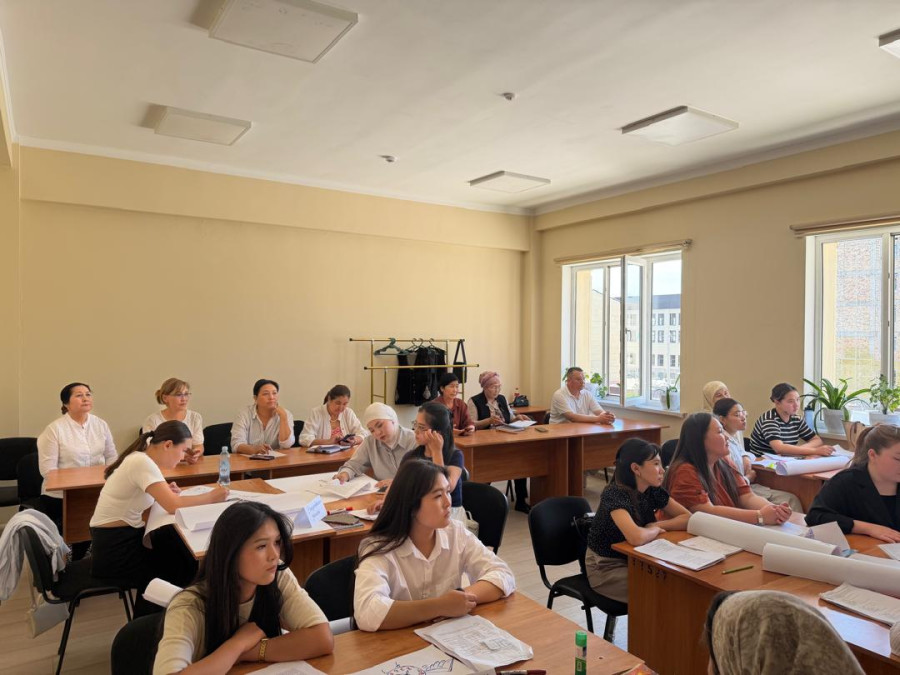
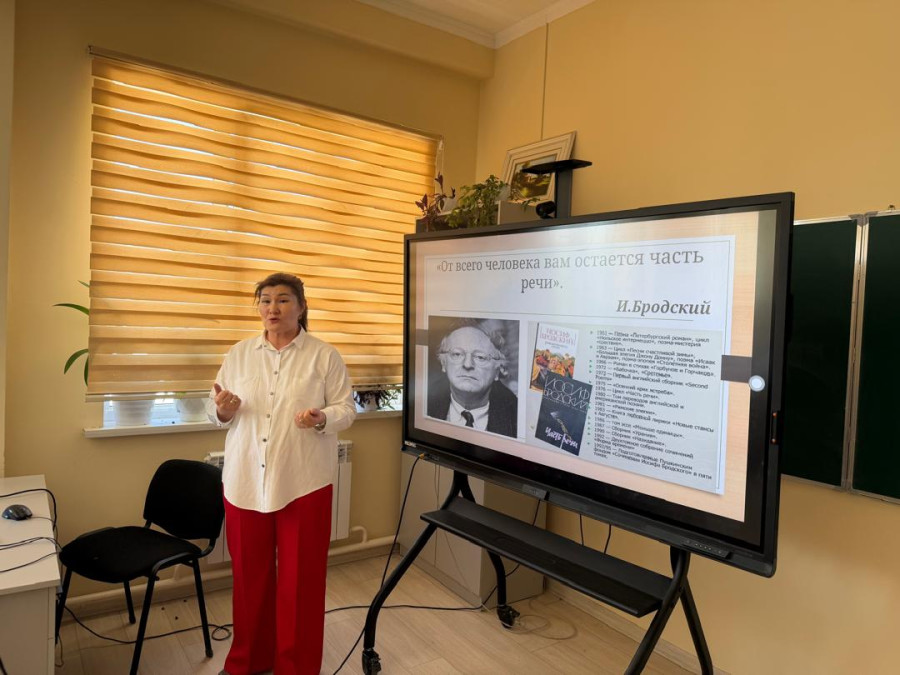
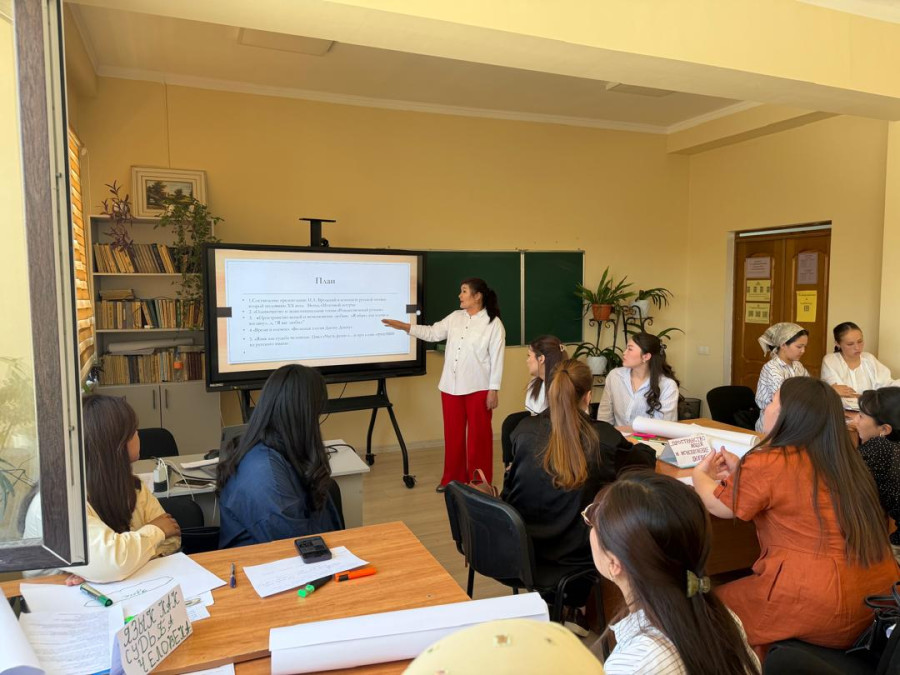
On May 15, 2026, D.T. Ayylchieva, Associate Professor of the Department of Russian Philology at the Institute of Philology of B. Osmonov Jalal-Abad State University, conducted an open practical class on the discipline "20th-Century Russian Literature." The session was held for 4th-year students in group RYaL-1-22 on the topic: "The Work of Joseph Brodsky: Space, Time, Loneliness, and Language."
The class aimed to provide an in-depth study of Joseph Brodsky's artistic world, develop students' analytical thinking, and refine their skills in poetic text interpretation. The session explored the key philosophical and aesthetic categories of Brodsky's poetry: space, time, loneliness, memory, and language.
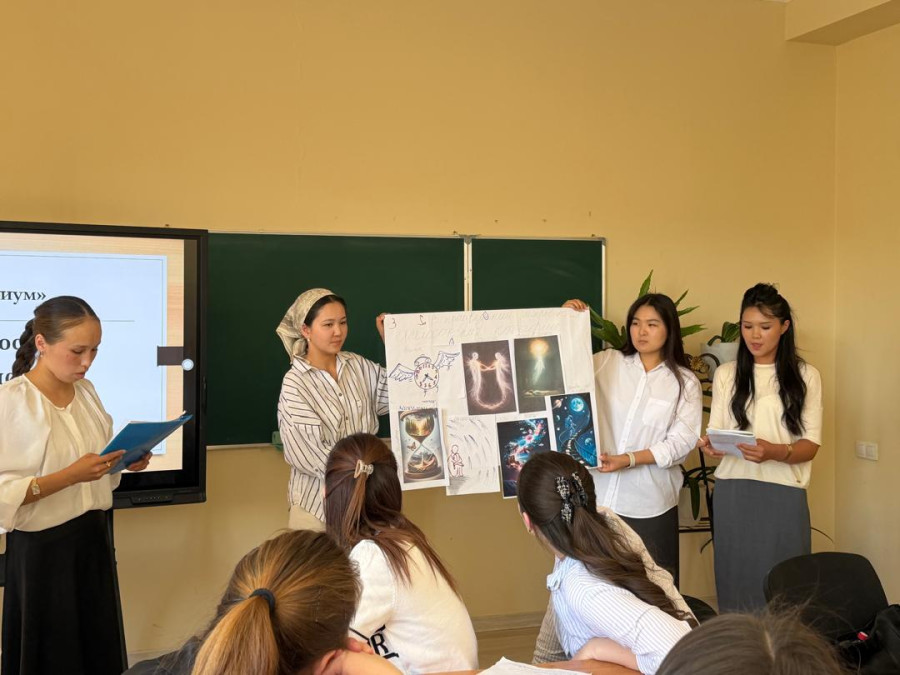
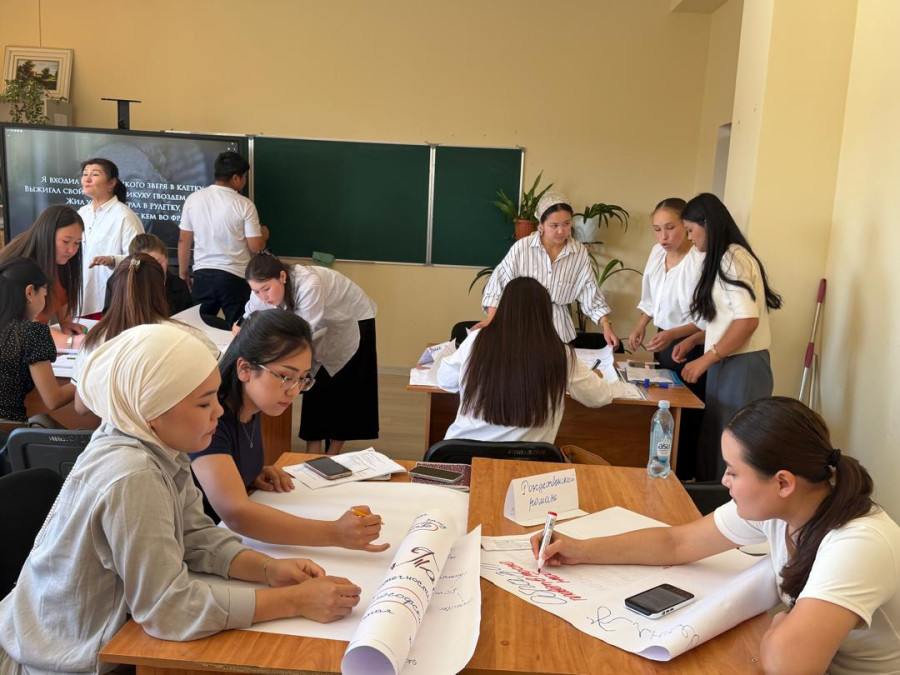
- In the first part of the class, students presented slide decks on the topic "J.A. Brodsky in the Context of Russian Poetry of the Second Half of the 20th Century" and participated in a discussion using the "Brainstorming" method.
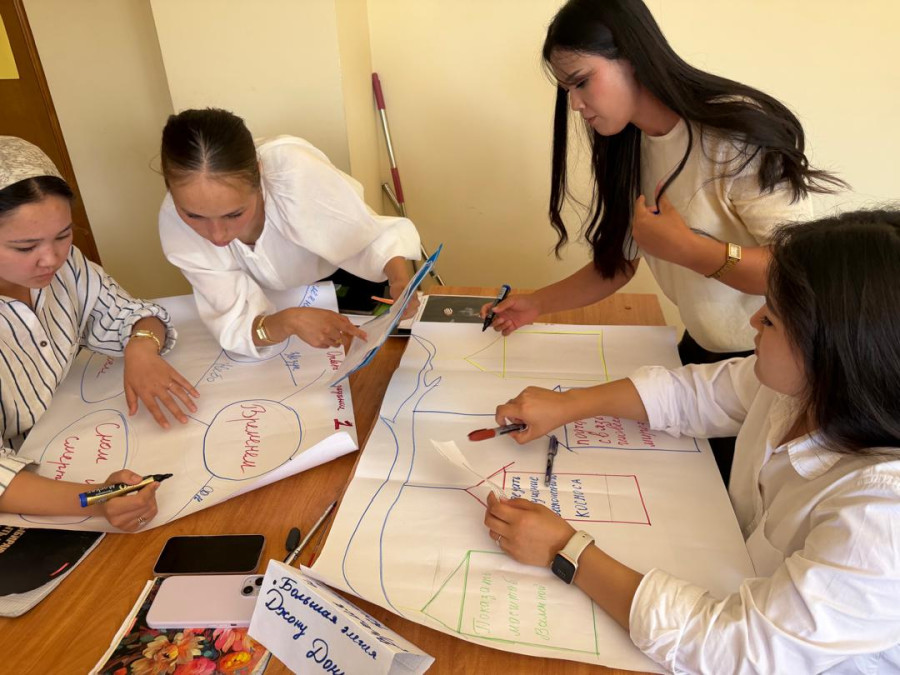
- During the analysis of the poem "Christmas Romance" (Рождественский романс), particular attention was paid to the themes of loneliness and existential angst. Students identified key imagery of melancholy, revealed the role of urban space in establishing the emotional atmosphere of the piece, and created an associative mind map titled "Melancholy in Brodsky's Works."
- Within the framework of the topic "The Space of Objects and the Disappearance of Love," the poems "I Embraced These Shoulders and Looked..." (Я обнял эти плечи и взглянул...) and "I Loved You" (Я вас любил) were analyzed. Students noted down material details, explained the symbolism of the moth, reflected on why the space in the poem is perceived as dead, and investigated how inanimate objects convey the inner state of the lyrical hero. This work was supported by the "Literary Interior" method. The analysis of intertextual links between Brodsky’s poem "I Loved You" and the works of Alexander Pushkin generated particular interest.
- While studying the poem "Great Elegy to John Donne" (Большая элегия Джону Донну), students explored the categories of time and the cosmos, identified repetitive words, determined the effect of enumeration, and uncovered the philosophical problems embedded in the text. This segment was conducted using the "Philosophical Puzzle" method.
The final stage of the class was a discussion on the topic "Language as Human Destiny," based on the cycle "Part of Speech" (Часть речи). Students reflected on Brodsky's understanding of language, why the poet calls a human being a "part of speech," and participated in mini-debates on the statement: "The poet is the language's means of existence." Using the "Fishbowl" (Aquarium) method, participants debated the question: "What matters more in Brodsky's poetry—feeling or thought?"
The session extensively incorporated modern interactive teaching methodologies:
"Brainstorming," subgroup teamwork, the "Cluster" method, associative mind mapping, "Literary Interior," "Philosophical Puzzle," the "Fishbowl" method, and a "Complete the Thought" reflection exercise.
The open class was conducted at a high scholarly and methodological level. It successfully fostered students' interest in contemporary Russian poetry, enhanced their close reading skills, and cultivated a mature culture of literary debate.