AN OPEN LESSON ON MODERN METHODS OF TEACHING NUMERICAL SEQUENCES AND PROGRESSIONS
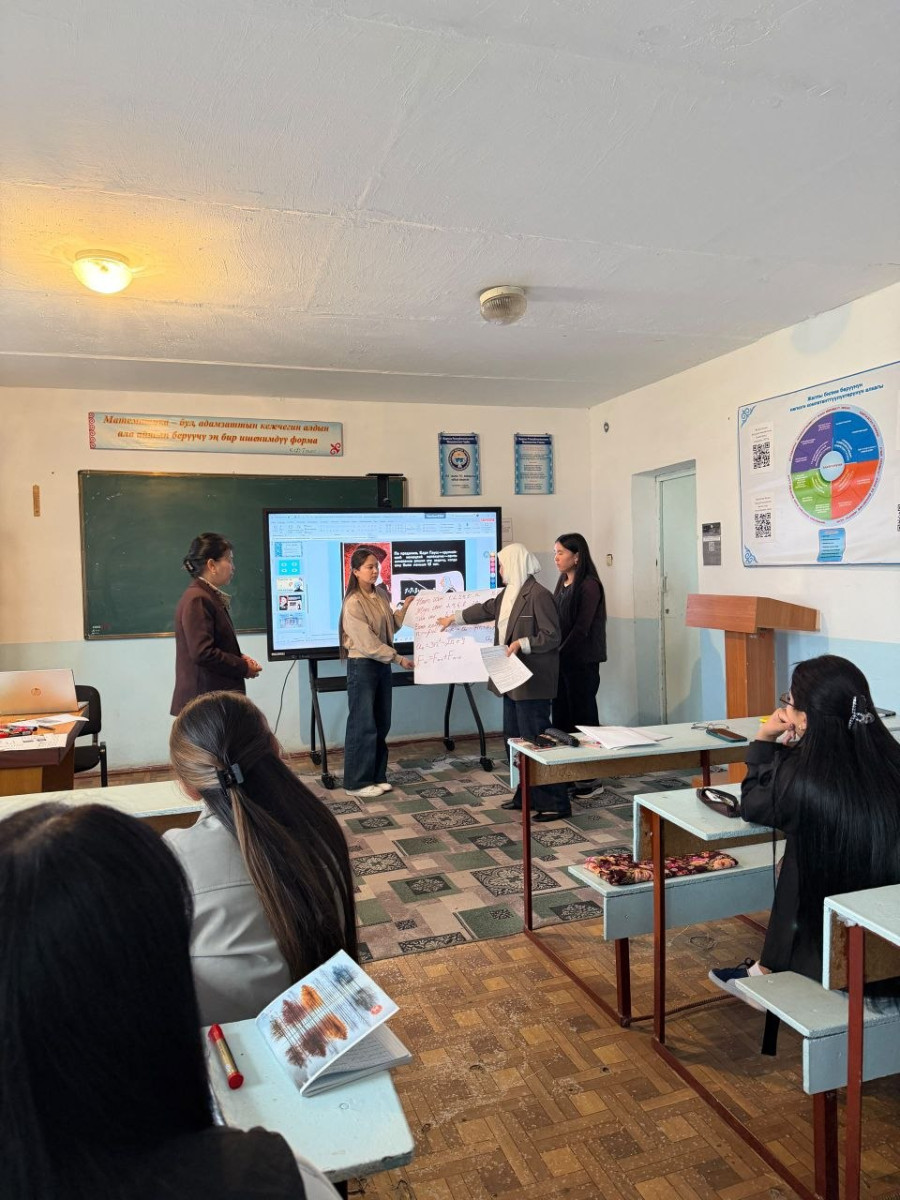
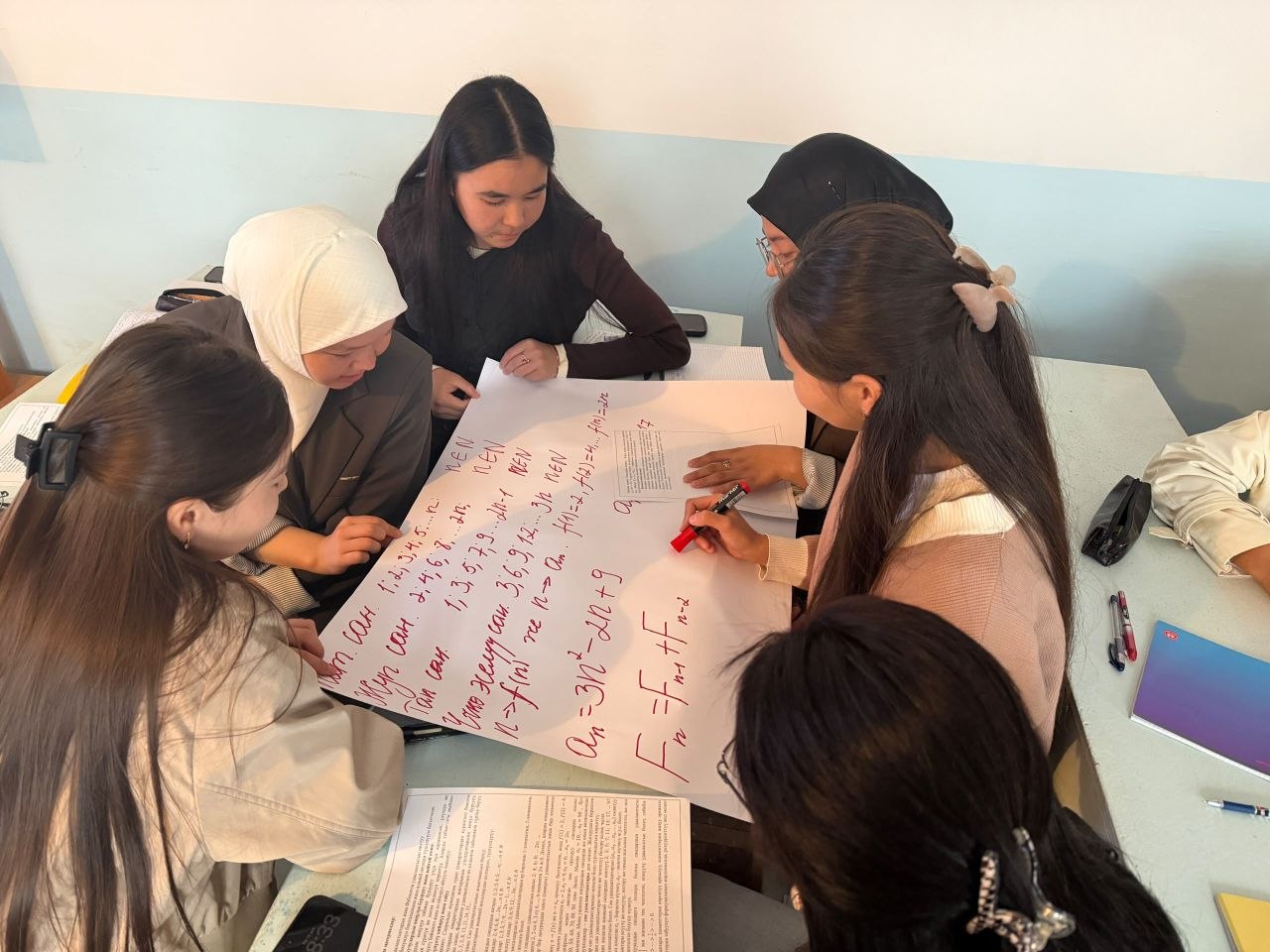
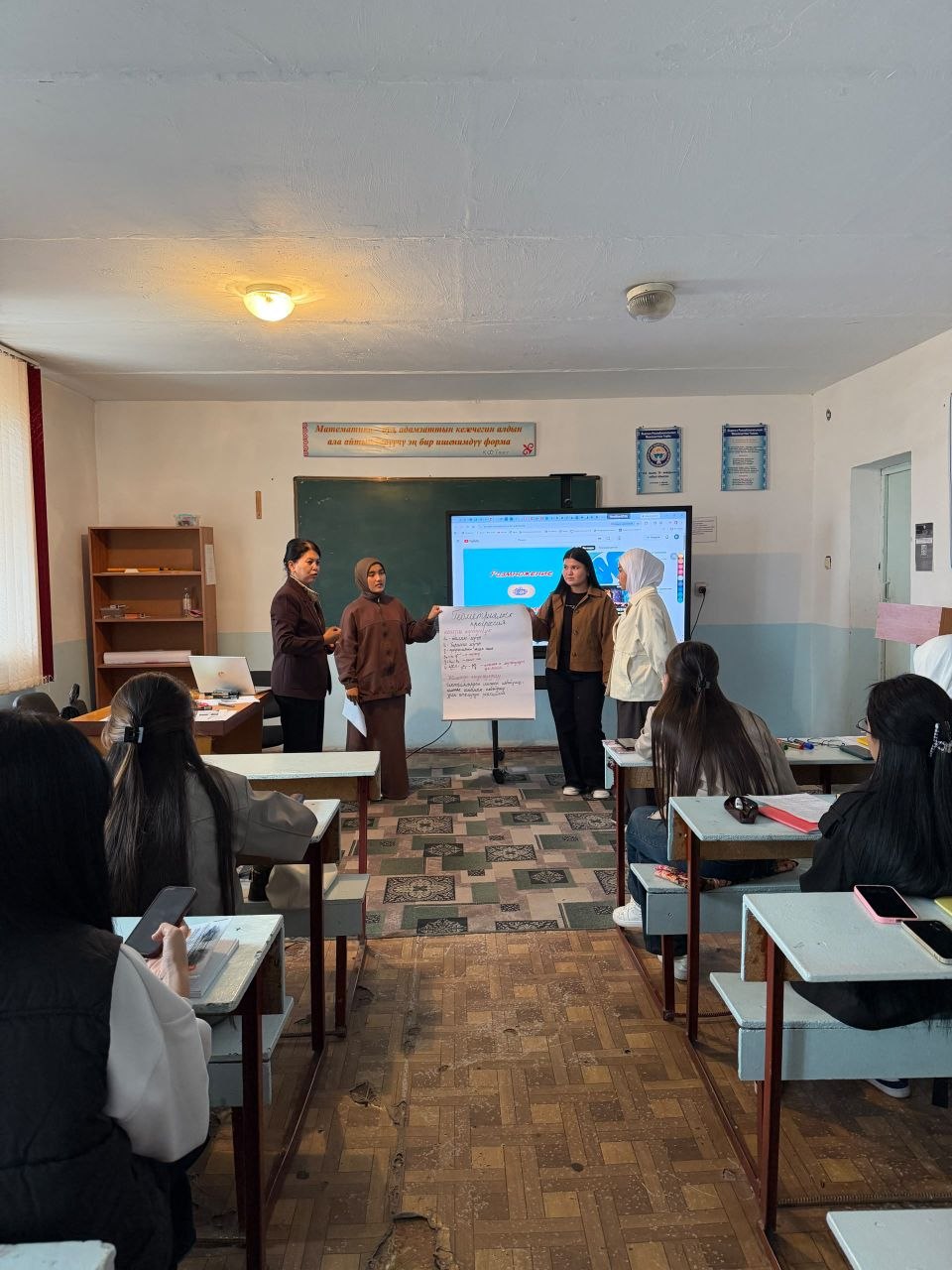
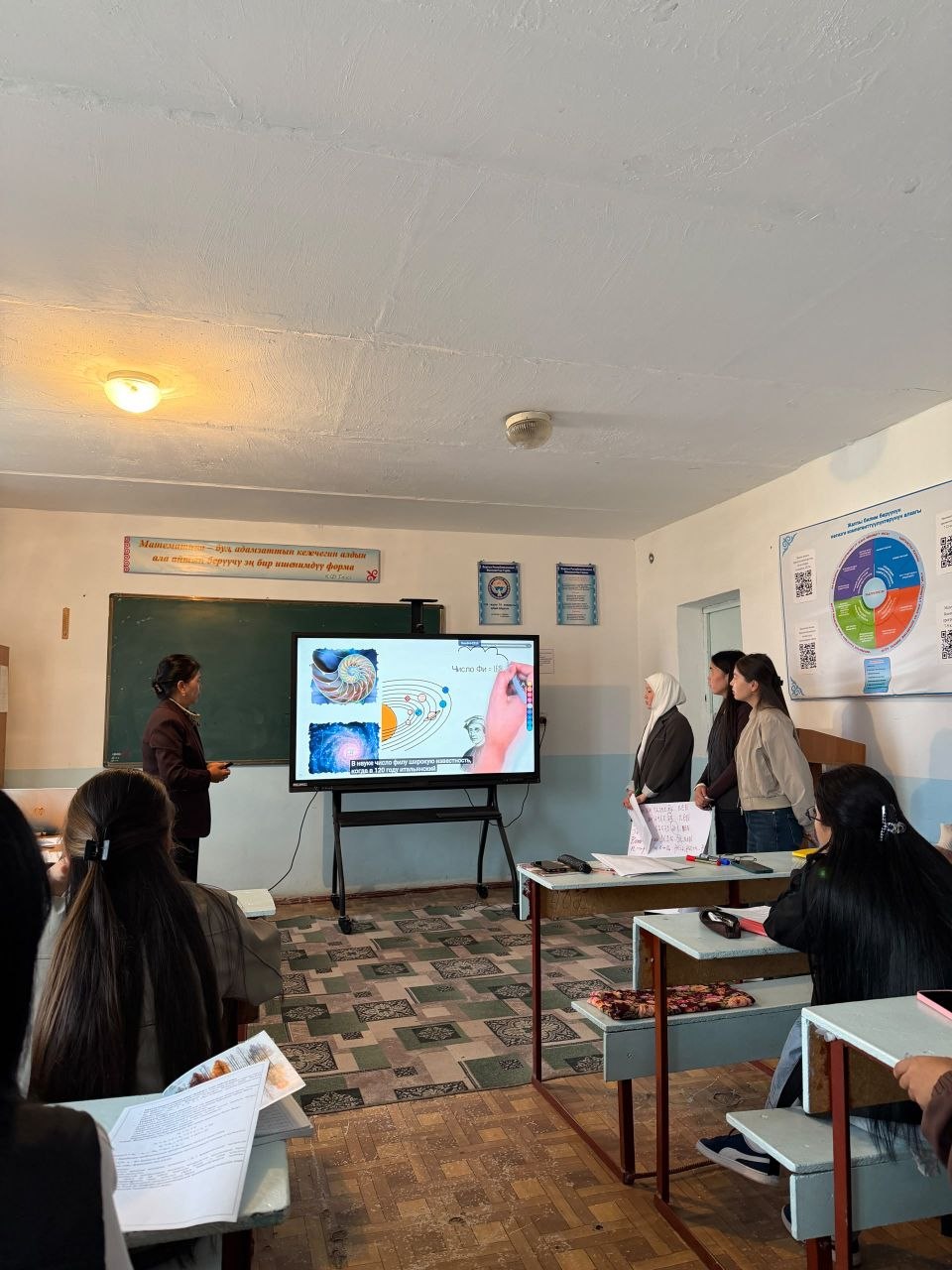
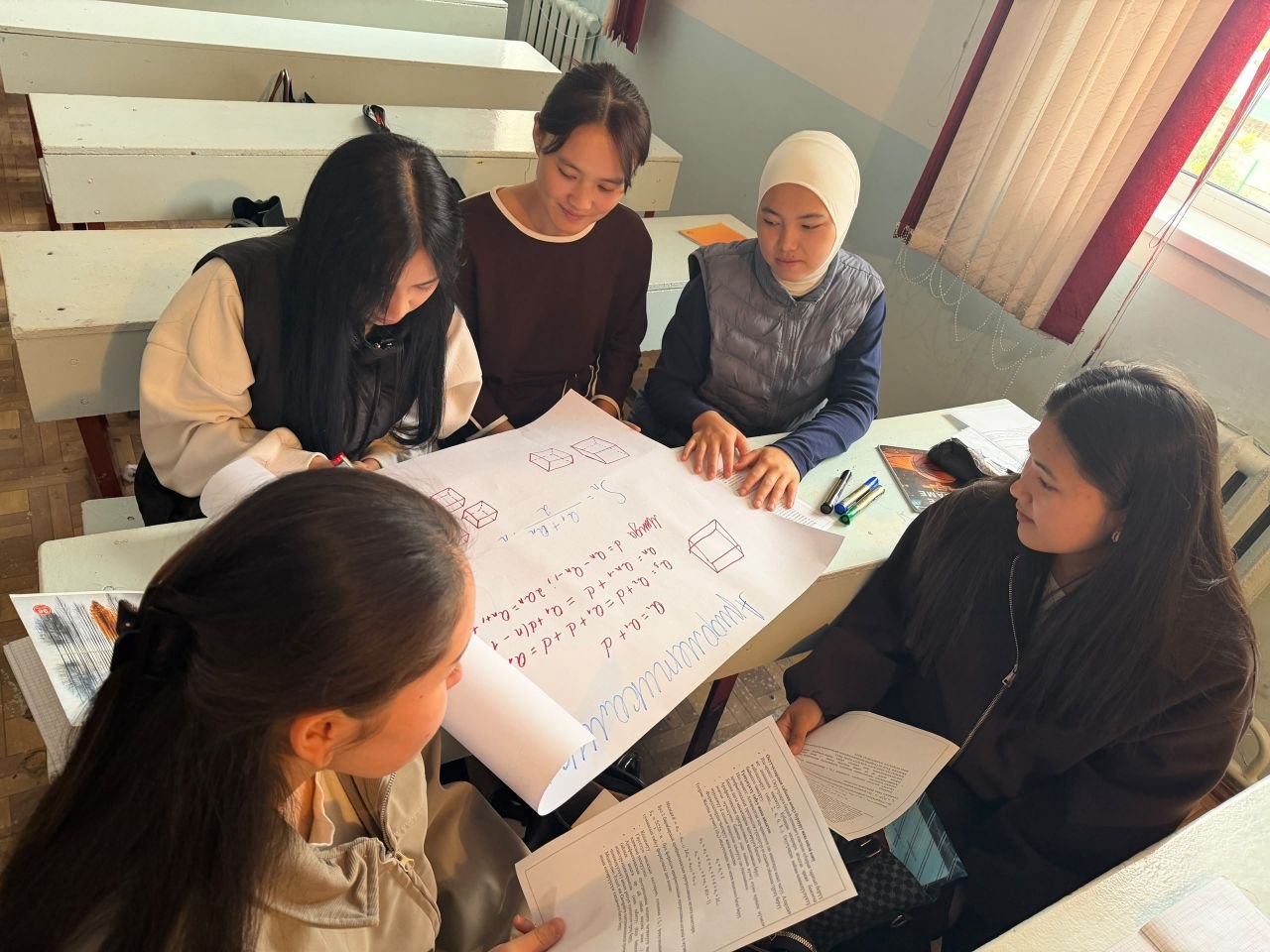
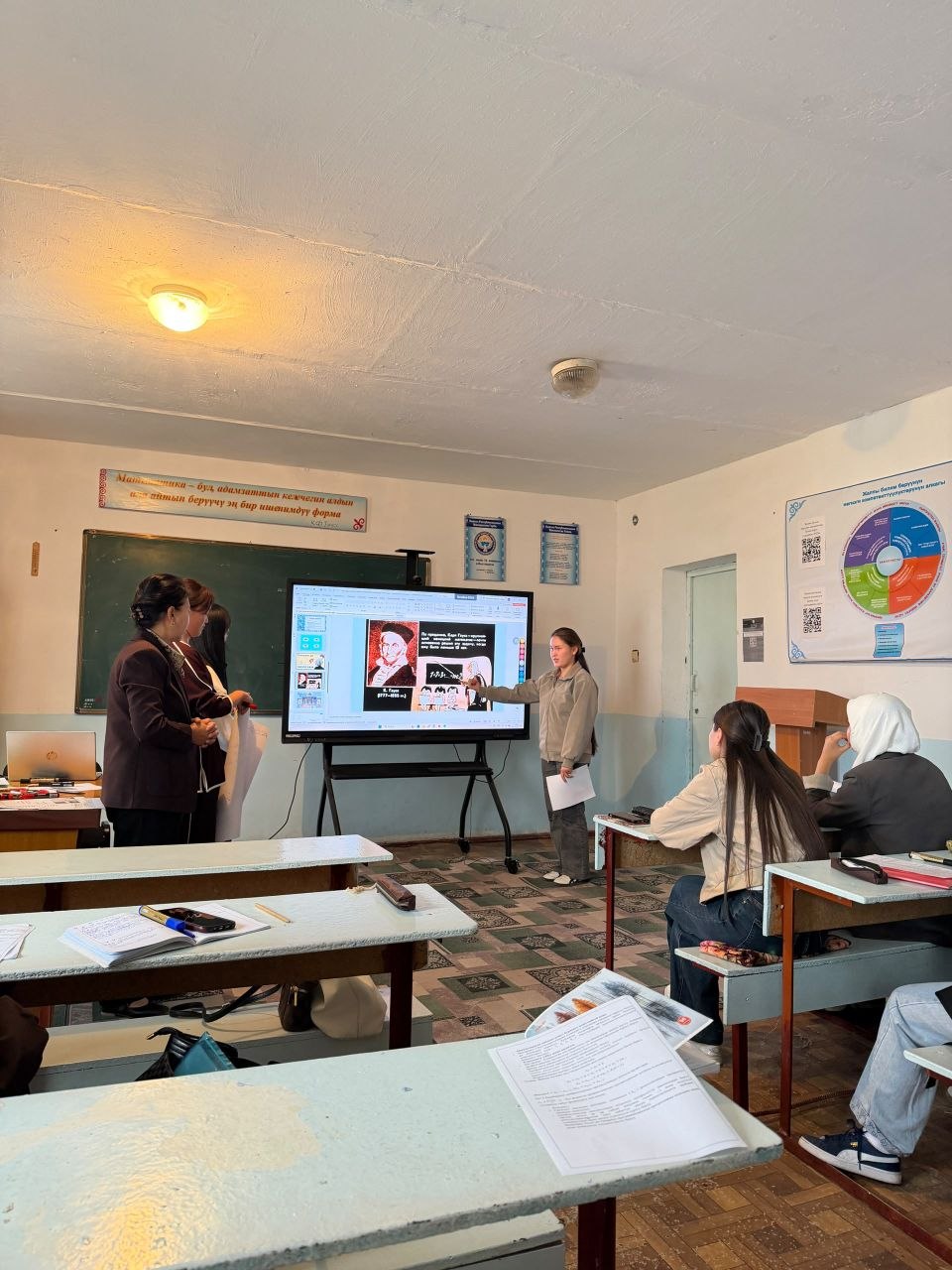
On October 12, 2026, an open lesson entitled “Methods of Teaching Numerical Sequences and Progressions” was conducted for third-year students of group FМE(М)-1-24, specialising in Mathematics within the 550200 – Physics and Mathematics Education programme at Jalal-Abad State University named after B. Osmonov.The open lesson was conducted by M. N. Nurmatova, Acting Associate Professor of the Department of Mathematics and Mathematical Modelling.The main objective of the lecture was to explore methodological approaches to teaching numerical sequences and progressions in secondary school through the use of STEM technology elements, while developing students’ abilities to identify patterns, analyse mathematical concepts, and formulate conclusions independently.During the lecture, students reviewed their prior knowledge of numerical sequences, arithmetic progressions, and geometric progressions by answering questions using the Plickers application. This approach enabled the lecturer to assess students’ knowledge promptly, increase their interest in the lesson, and encourage active participation in the learning process.During the main stage, students worked in groups, analysed the provided materials, and prepared presentations on numerical sequences and progressions. They explained the essence of the STEM concept, discussed interactive methods used in mathematics teaching, and organised the relevant formulas and properties. Each group presented its findings and answered questions from other participants.Particular attention was paid to connecting theoretical material with real-life examples. Video materials on bacterial reproduction patterns, the Fibonacci sequence, and Gauss’s method for quickly calculating the sum of the natural numbers from 1 to 100 were used. These examples demonstrated that mathematical patterns occur in nature and everyday life and helped establish interdisciplinary connections.At the concluding stage, students revisited the lesson objectives, and their acquired knowledge was reinforced through questions and answers.The open lesson integrated various interactive teaching methods, including group work, problem-based tasks, presentation preparation and delivery, question-and-answer activities, and the use of digital learning tools. This approach contributes to strengthening the subject knowledge and methodological competence of future mathematics teachers, developing their ability to design tasks that foster students’ independent thinking, and preparing them to organise lessons using modern educational technologies.The open lesson aimed to develop the professional competencies of future mathematics teachers, integrate theoretical knowledge with practical activities, and demonstrate the potential for effective application of STEM technologies in mathematics education.