SIMULATION-BASED CLASSES AIMED AT DEVELOPING PROFESSIONAL COMPETENCIES OF FUTURE MATHEMATICS TEACHERS CONTINUE
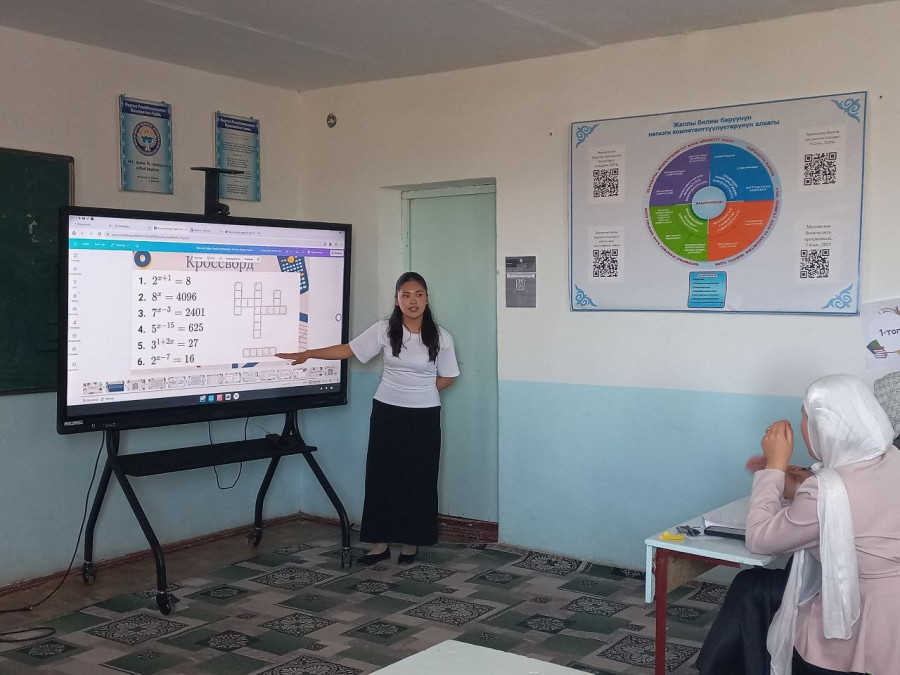
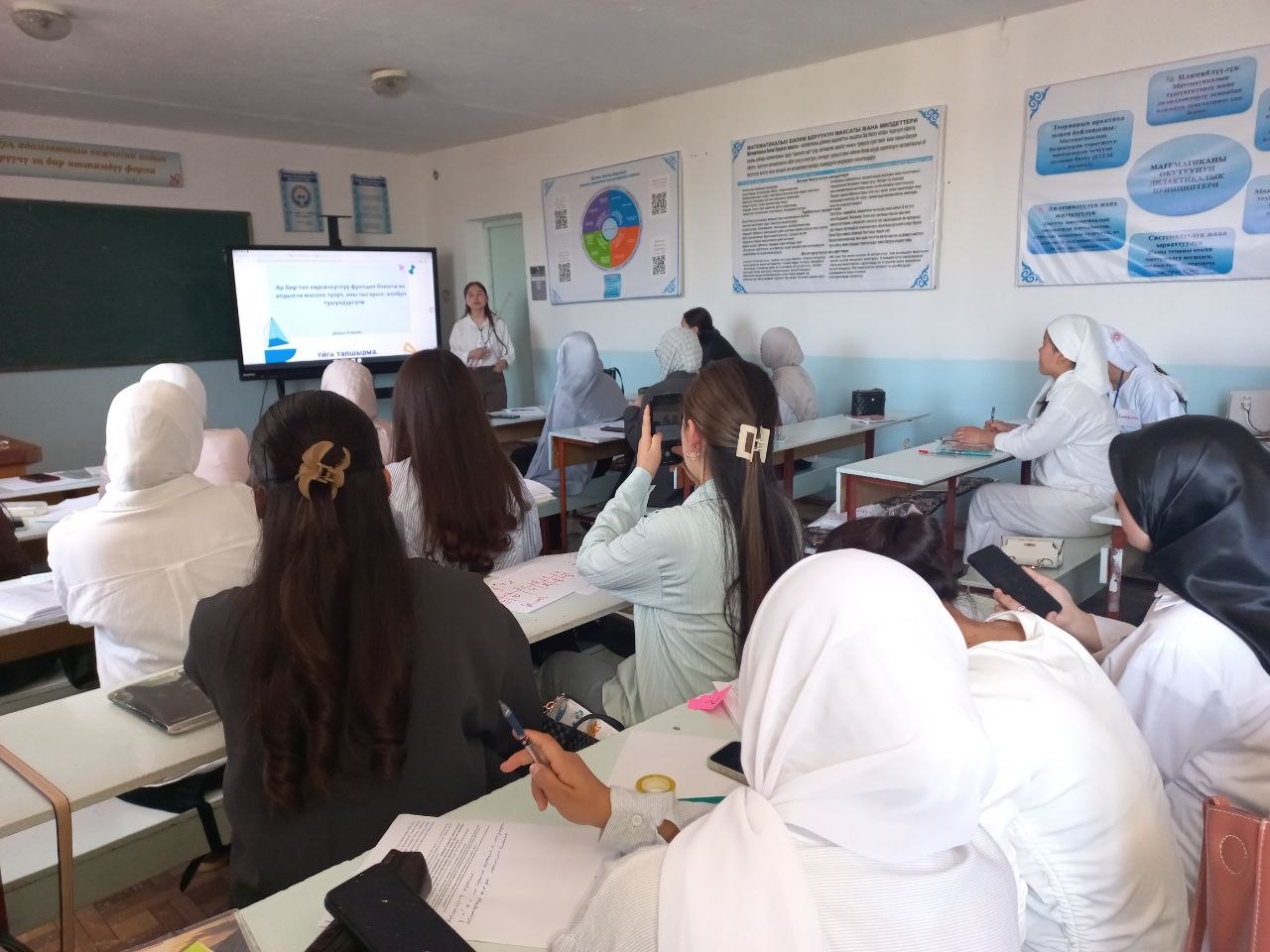
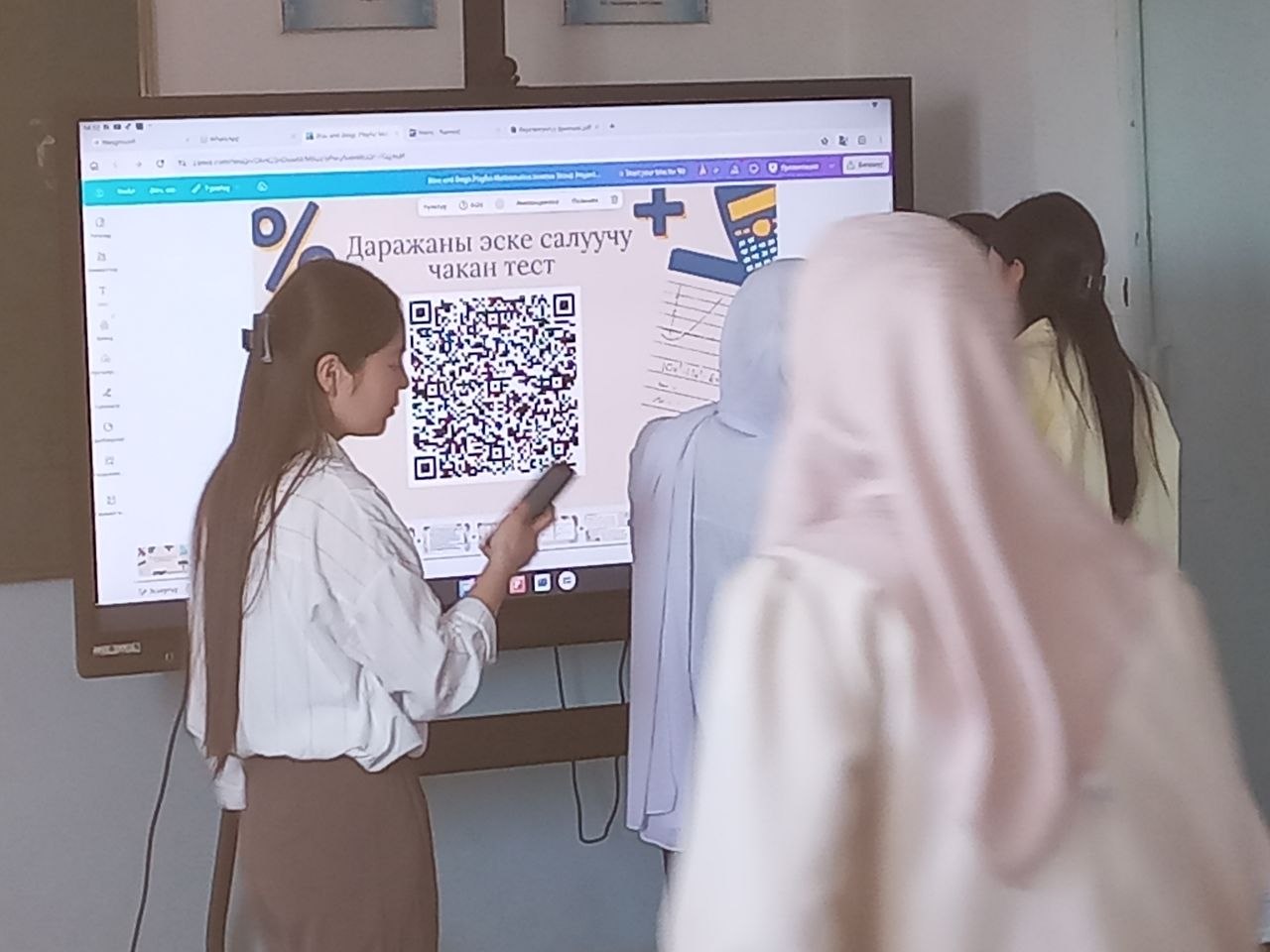
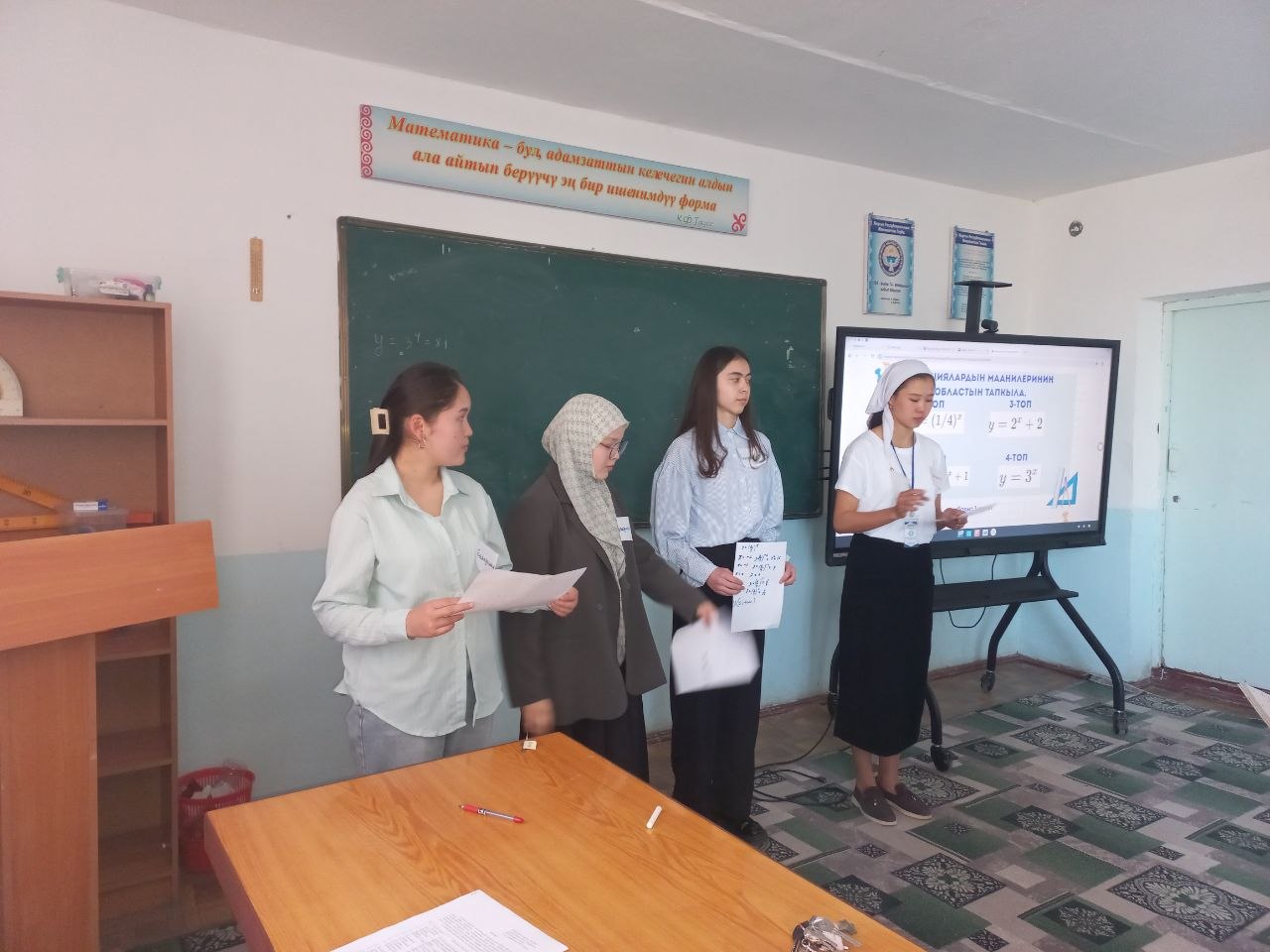
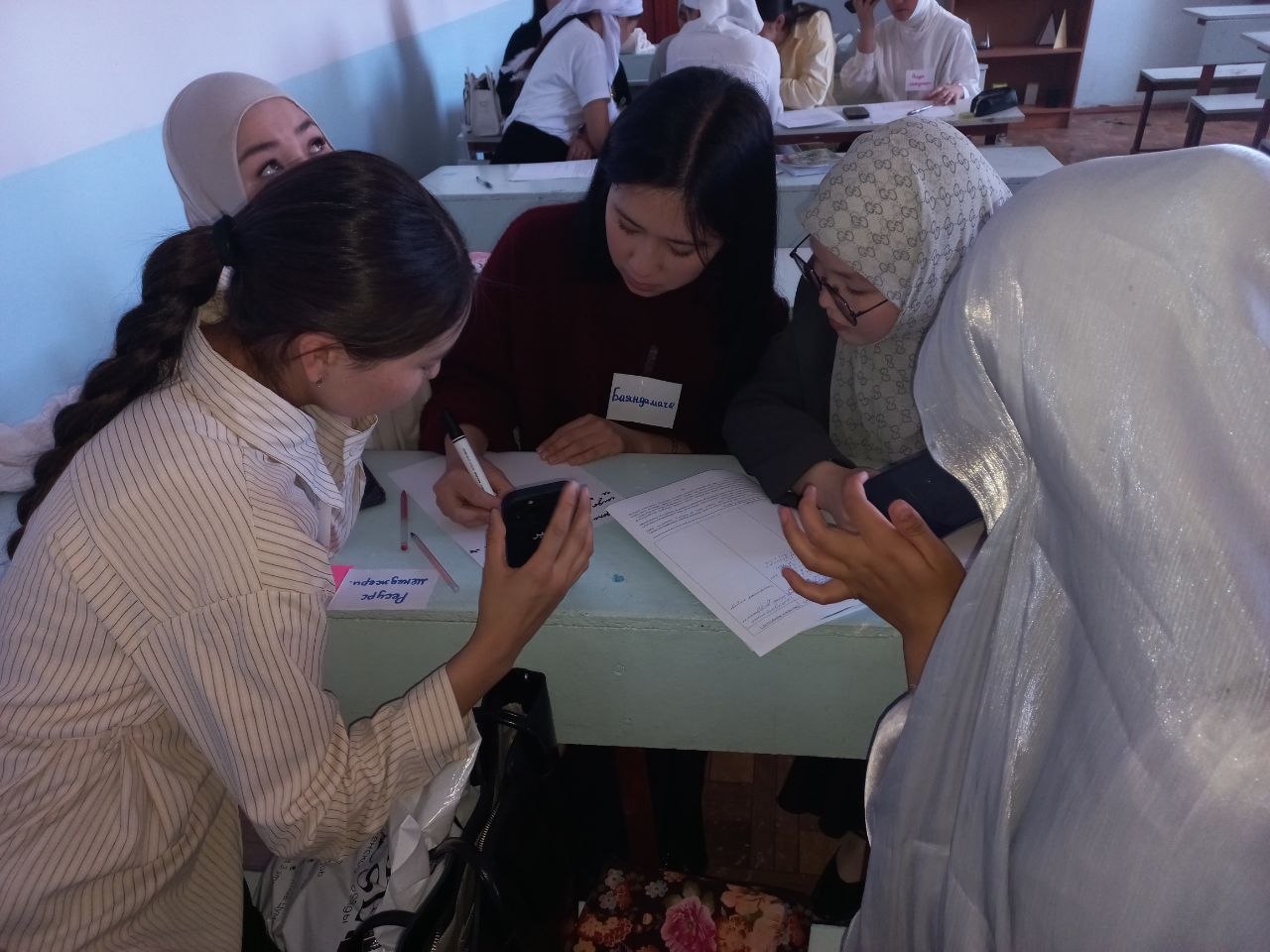
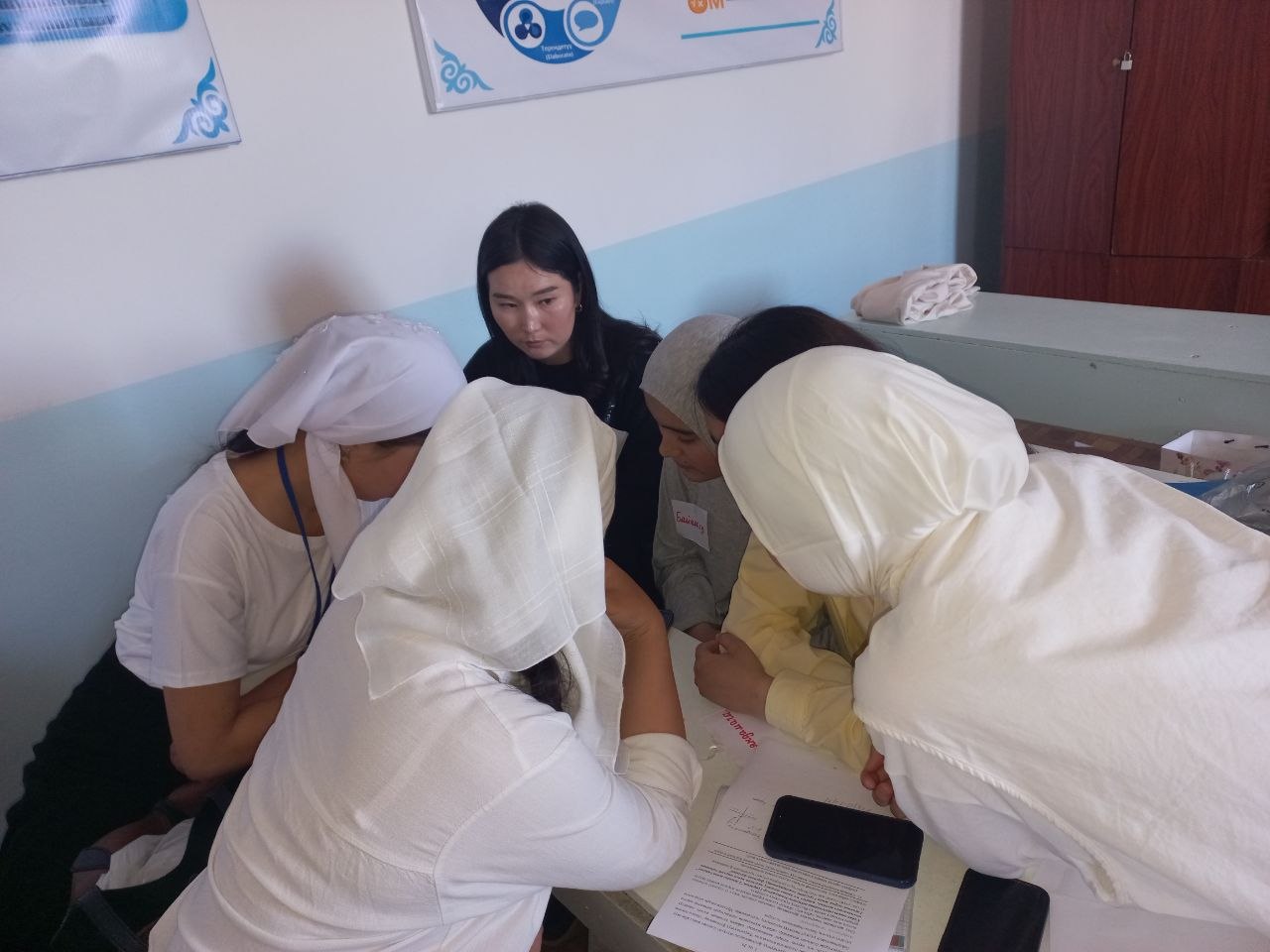
At the Pedagogical Institute named after E. Umetov of the Scientific and Educational Production Complex “Jalal-Abad State University named after B. Osmonov,” activities focused on workplace-based learning and the development of students’ professional competencies are being systematically continued. At the Department of Mathematics and Mathematical Modeling, simulation-based classes organized within the course “Methods of Teaching Mathematics” are demonstrating their effectiveness. On April 1, 2026, another simulation session was held with the participation of students from group FME(M)-1-24, during which future teachers demonstrated their pedagogical skills in practice. Madrakhimova Tansuluu started the lesson in an organized manner, greeted the students, and invited three students to the board to check the homework. Then, creating a transition to the new topic, she asked guiding questions related to the concept of the exponential function and clearly outlined the objectives of the lesson. At the motivation stage, a practical task related to giving a “like” to a video on social media was presented, which significantly increased student engagement. During the lesson, students were divided into four groups using a cooperative learning approach. Roles were clearly distributed among group members, and their responsibilities were explained. As a result, each student actively fulfilled their role within the group. Group representatives presented and defended their work. After explaining the topic, the teacher provided additional tasks to deepen group work. Assessment criteria were introduced in advance, giving students a clear direction. The lesson concluded with the assignment of homework. Shamshieva Guliza conducted a lesson on the topic “Exponential Equations,” which was also organized in accordance with the set objectives. At the beginning of the lesson, she greeted the students and outlined the goals. To review the previous material, she used a modern digital tool—the Kahoot platform—where a test was conducted via a QR code. This method increased students’ interest and allowed for quick and effective assessment of their knowledge. After that, students were divided into five groups by selecting symbols, and each group was given two questions. Group members discussed their answers, after which representatives presented their explanations. The new topic was explained, including the definition of a simple exponential equation and the main theorems for solving it. In the practical part, students were given five minutes to work in groups, where they collaboratively solved the assigned problems. Such simulation-based classes contribute to the development of future teachers’ skills in lesson planning, classroom management, the use of digital technologies, and pedagogical reflection. As a result, students are being shaped into competitive specialists who meet modern educational requirements.