THE ROLE OF BASE SCHOOLS IN DEVELOPING PROFESSIONAL COMPETENCIES OF FUTURE SPECIALISTS DISCUSSED
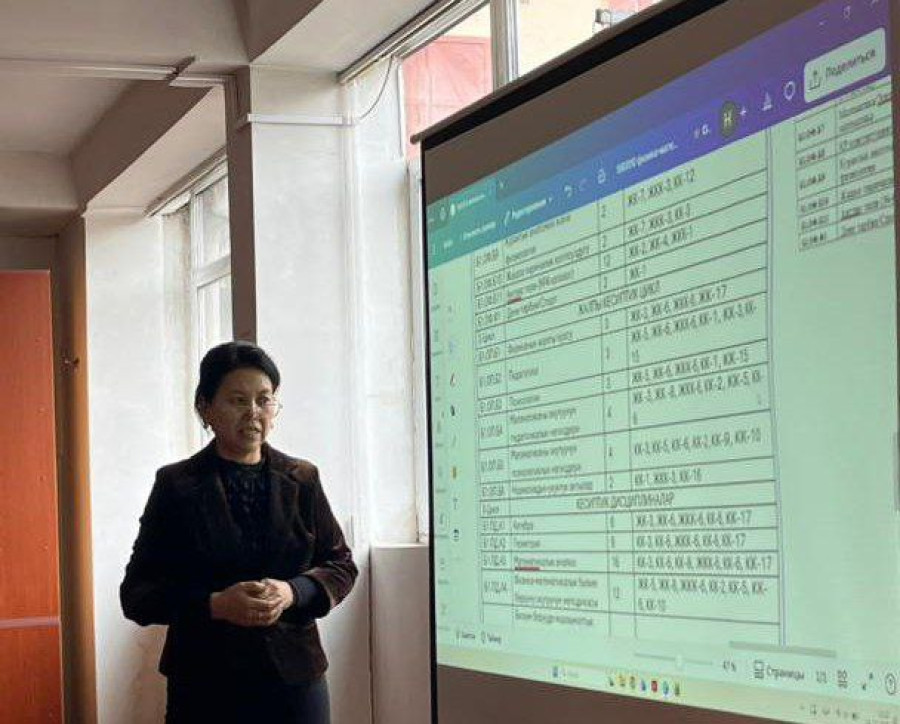
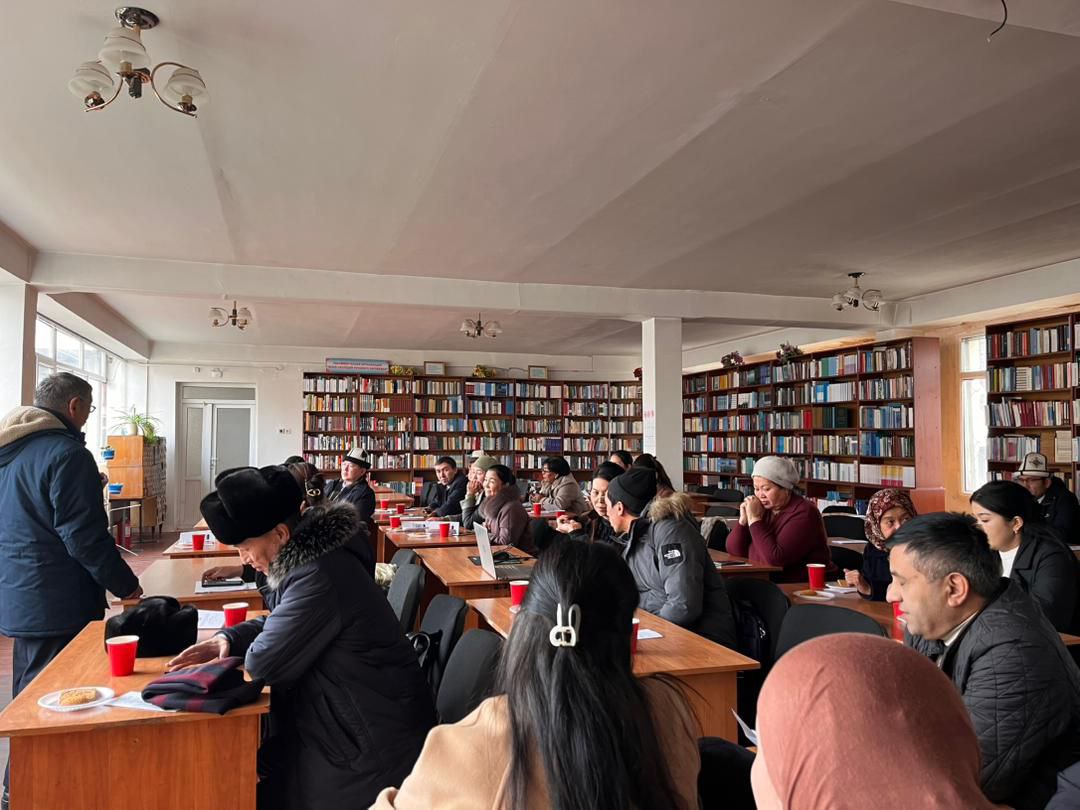
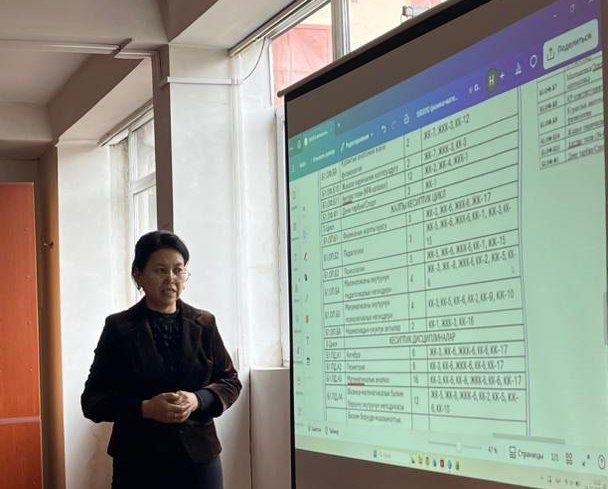
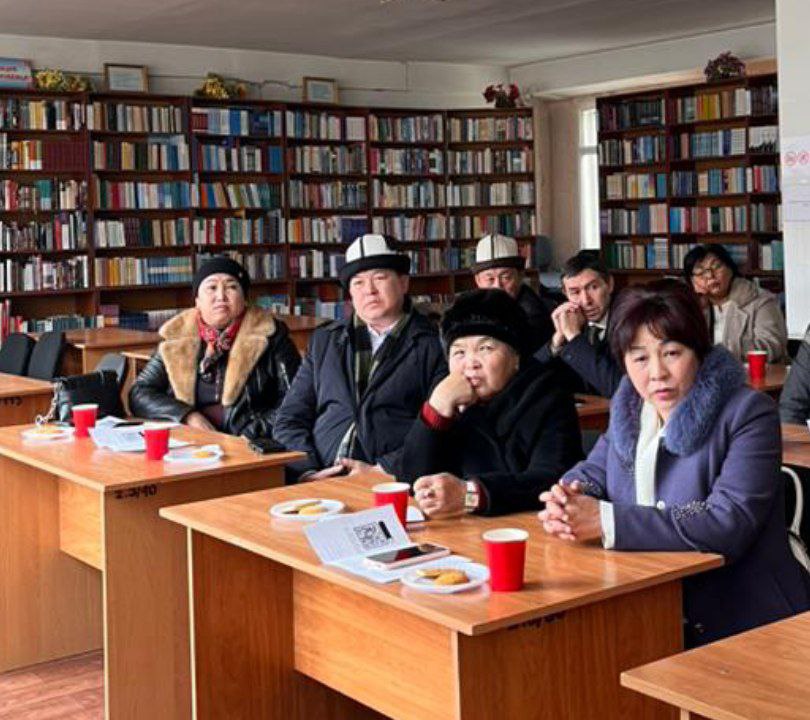
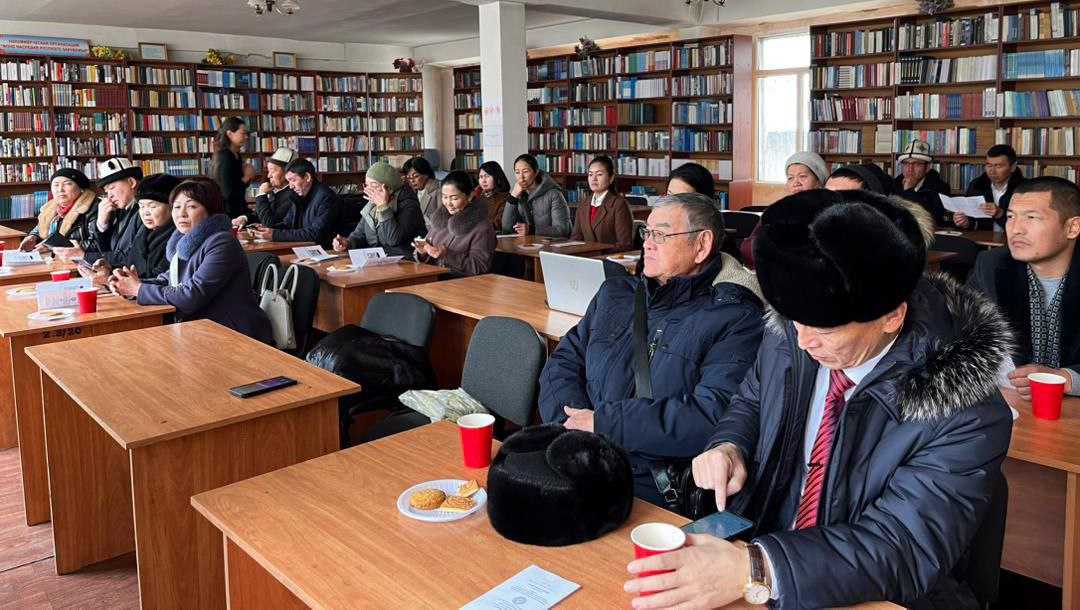
A large-scale scientific and methodological discussion dedicated to pressing issues of modern education was held at the Department of Mathematics and Mathematical Modeling of the E. Umetov Pedagogical Institute at the Jalal-Abad State University named after B. Osmonov. The main objective of the meeting was to elevate cooperation between the university and schools to a new level and to ensure the effective use of base schools’ potential in shaping the professional competencies of future mathematics teachers. The event was attended by university rectors M. Narbaev and T. Narymbetov; the Chief Specialist of the Kok-Jangak City Department of Education, A. Zholoyev; as well as heads of leading educational institutions in the region – school principals from the city of Manas, Suzak District, and Nooken District: M. Toktosunov, A. Saty kulov, Z. Alibaev, Z. Torobaeva, N. Kulunbetova, Ravshanbek uulu A., T. Monokbaeva, and D. Arzieva. During the meeting, contemporary models for combining theoretical knowledge with practical experience were examined. The participants focused on the following key aspects: • It was emphasized that the implementation of dual education – where part of the academic process takes place directly in a school environment under the mentorship of experienced teachers – creates a solid foundation for the development of professional skills and facilitates the rapid adaptation of future specialists to the labor market. • School principals expressed their readiness to act not merely as observers but as active participants in the teacher training process. They proposed initiatives to contribute to curriculum development in line with real school requirements and to participate jointly in assessing students’ professional competencies. • Issues related to equipping mathematics classrooms in base schools with modern technologies, introducing elements of STEM education, and utilizing the university’s scientific potential to prepare students for the National Republic Testing (NRT) and subject Olympiads were also discussed. The participants unanimously underlined that for a student, a base school is not merely a place for completing teaching practice, but a professional laboratory and a platform for educational innovation. Employers confirmed their willingness to contribute material, technical, and intellectual resources to the preparation of future specialists and expressed their interest in providing employment opportunities for graduates. At the conclusion of the event, concrete decisions were adopted to further develop cooperation between the university and schools, as well as to ensure the regular implementation of joint methodological activities.