Work-Based Learning and Guest Lecture: Practical Foundations of Creditworthiness Analysis
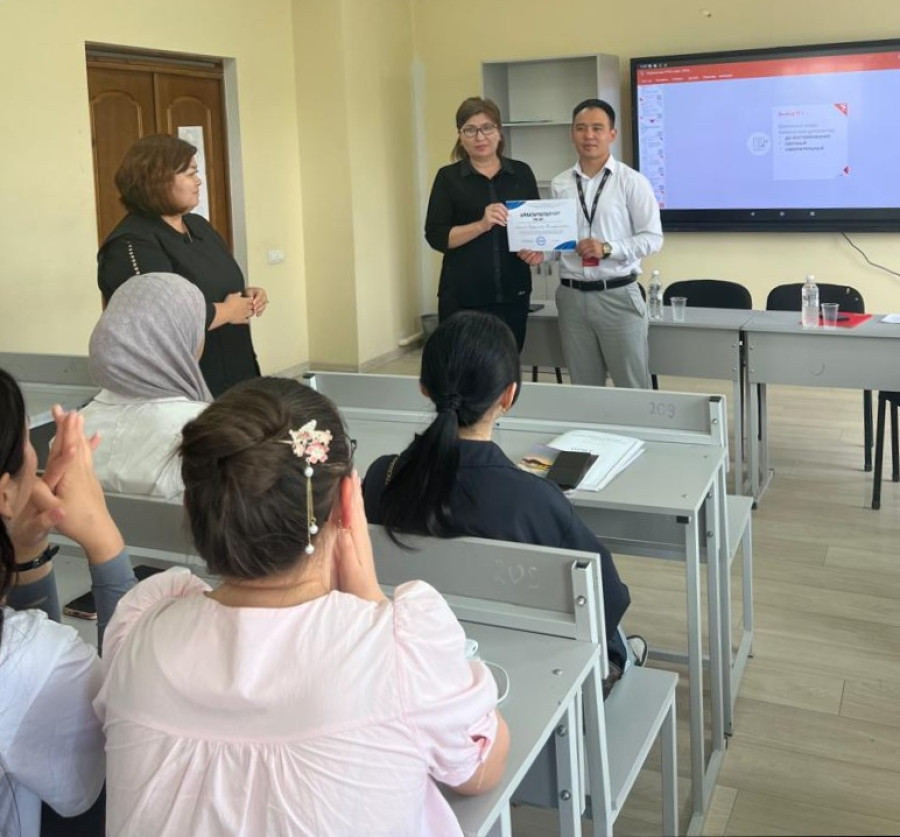
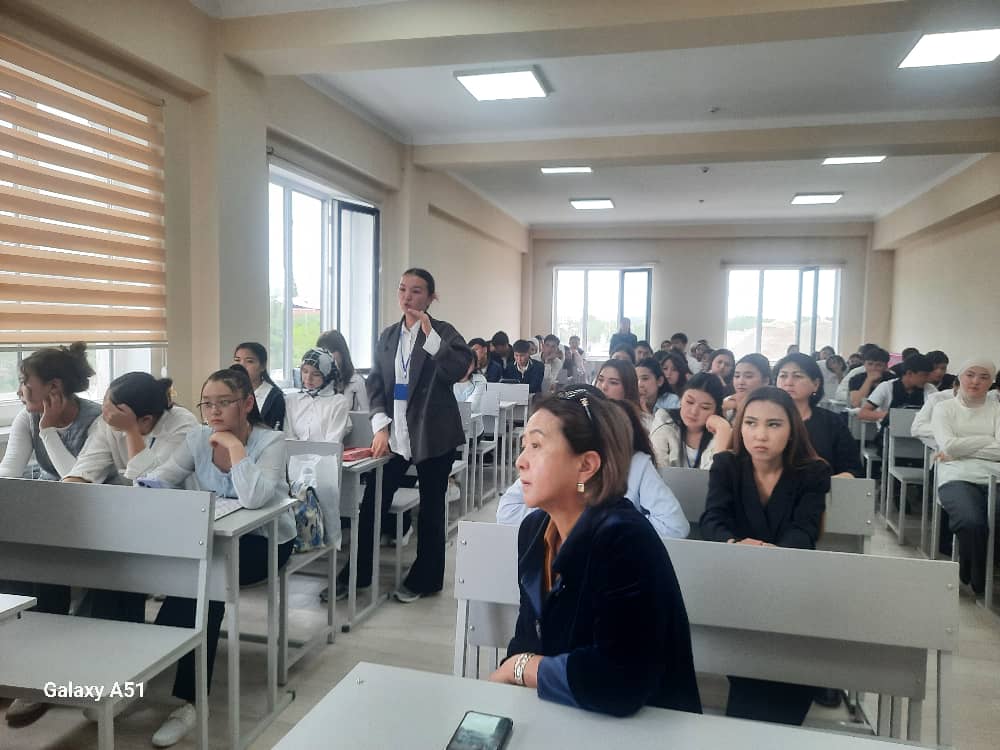
Within the framework of implementing an education policy aligned with the Sustainable Development Goals, an important event was organized by E. Kadyrova and A. Kalmurzayeva, instructors of the “Finance (by sectors)” specialty of the Economics Cycle Commission at the College of Economics and Law of the scientific, educational, and industrial complex of Jalal-Abad State University named after Bekmamat Osmonov.
The event was opened by A.A. Tashmatova, Director of the College of Economics and Law, who expressed her gratitude to the invited guests and emphasized the importance of such practice-oriented meetings in the professional development of students.
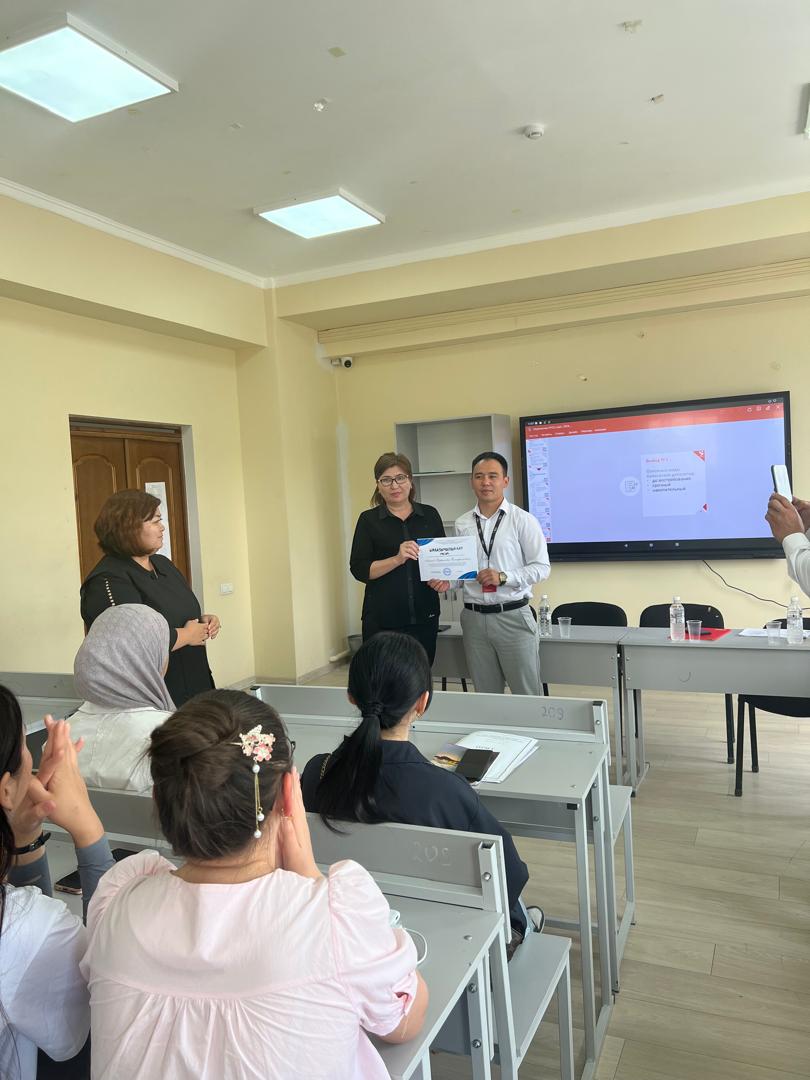
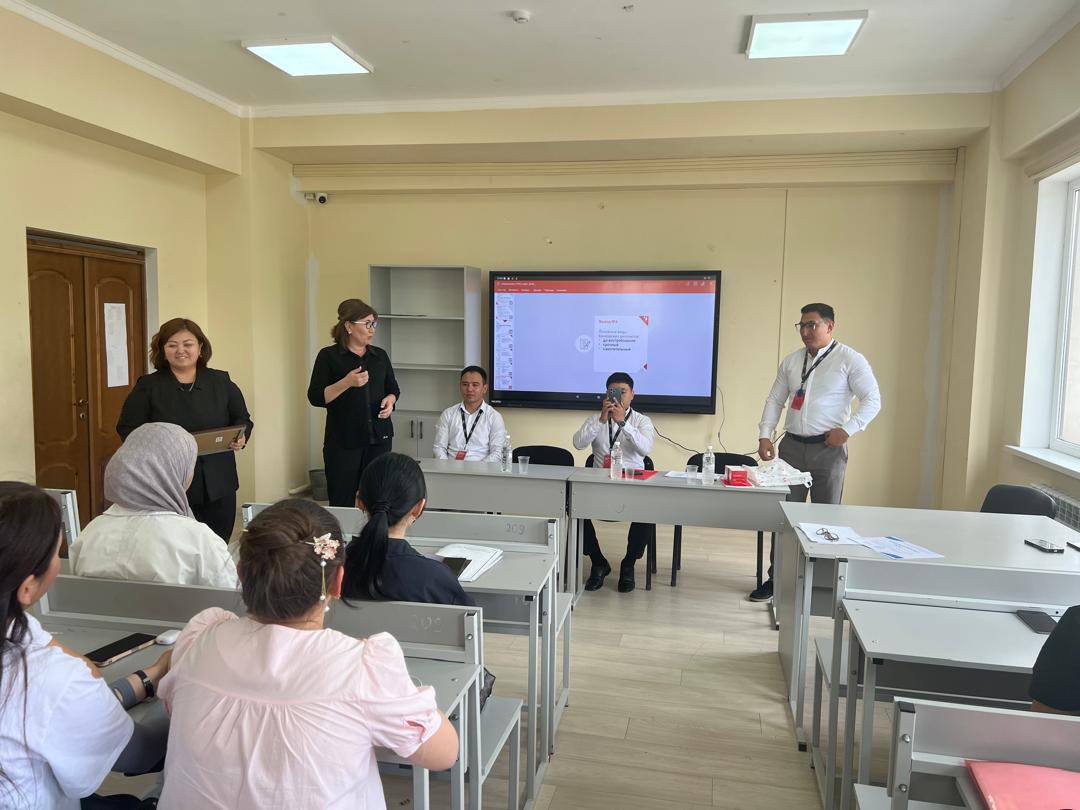
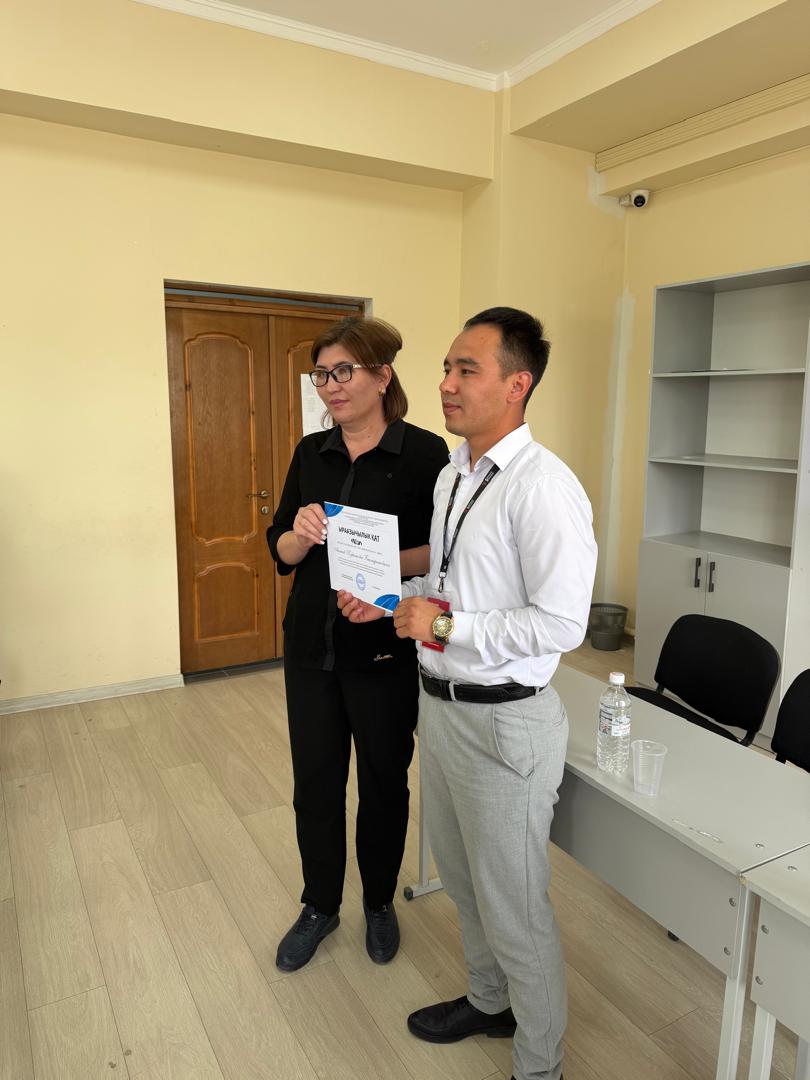
As part of the event, Isakzhanov Dilshodjon Azimzhanovich, manager of “Bailyk-Finance” Microcredit Company, delivered a comprehensive lecture on “Creditworthiness Analysis.” He emphasized that a specialist in this field should not only perform financial calculations but also possess strong psychological skills. It is important to observe a client’s behavior, responsibility, and reliability, and sometimes even a single conversation can help form an initial conclusion about the client’s ability to repay a loan.
Financing specialist Aitiev Kubanychbek Bekmuratovich introduced the main methods of analyzing a client’s creditworthiness and highlighted the importance of systematically studying financial indicators. He noted that it is necessary to comprehensively analyze the client’s income, expenses, current liabilities, credit history, and payment discipline. He also mentioned that applying the 5C principle (Character, Capacity, Capital, Collateral, Conditions) allows for a well-rounded evaluation of the client.
Financing specialist Bakytbekov Argen Bakytbekovich provided additional detailed information on income and expense analysis as well as risk assessment principles. He emphasized that in determining a client’s financial condition, it is essential to accurately identify all sources of income, distinguishing between formal and informal ones. The stability and consistency of income are key factors in lending decisions.
When analyzing expenses, he stressed the importance of accounting for all daily and mandatory costs (food, utilities, transportation, education, healthcare, etc.). Categorizing expenses into fixed, variable, and unexpected helps determine the client’s actual financial burden. Furthermore, a comprehensive analysis of the household budget helps define the client’s net income and a safe level of loan burden.
Regarding risk assessment, he noted that it is important to identify potential risks in advance when issuing loans. The main risks include job loss, decrease in income, inflation, economic instability, and unforeseen life circumstances, all of which increase the likelihood of loan default.
Z.M. Akhmedova, Head of the Economics Cycle Commission, noted in her speech that such forms of work-based learning not only help strengthen students’ theoretical knowledge but also contribute to the development of their analytical thinking, the formation of professional competencies, and the enhancement of their competitiveness in the labor market. She also emphasized that cooperation will continue in the future and expressed her sincere gratitude to the guests.