Developing Children’s Environmental Culture
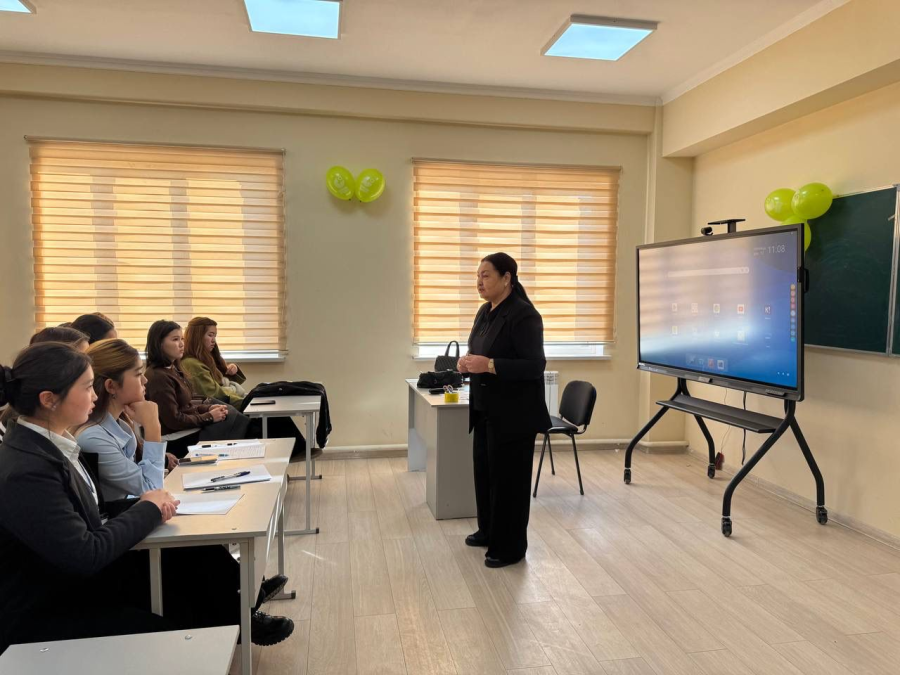
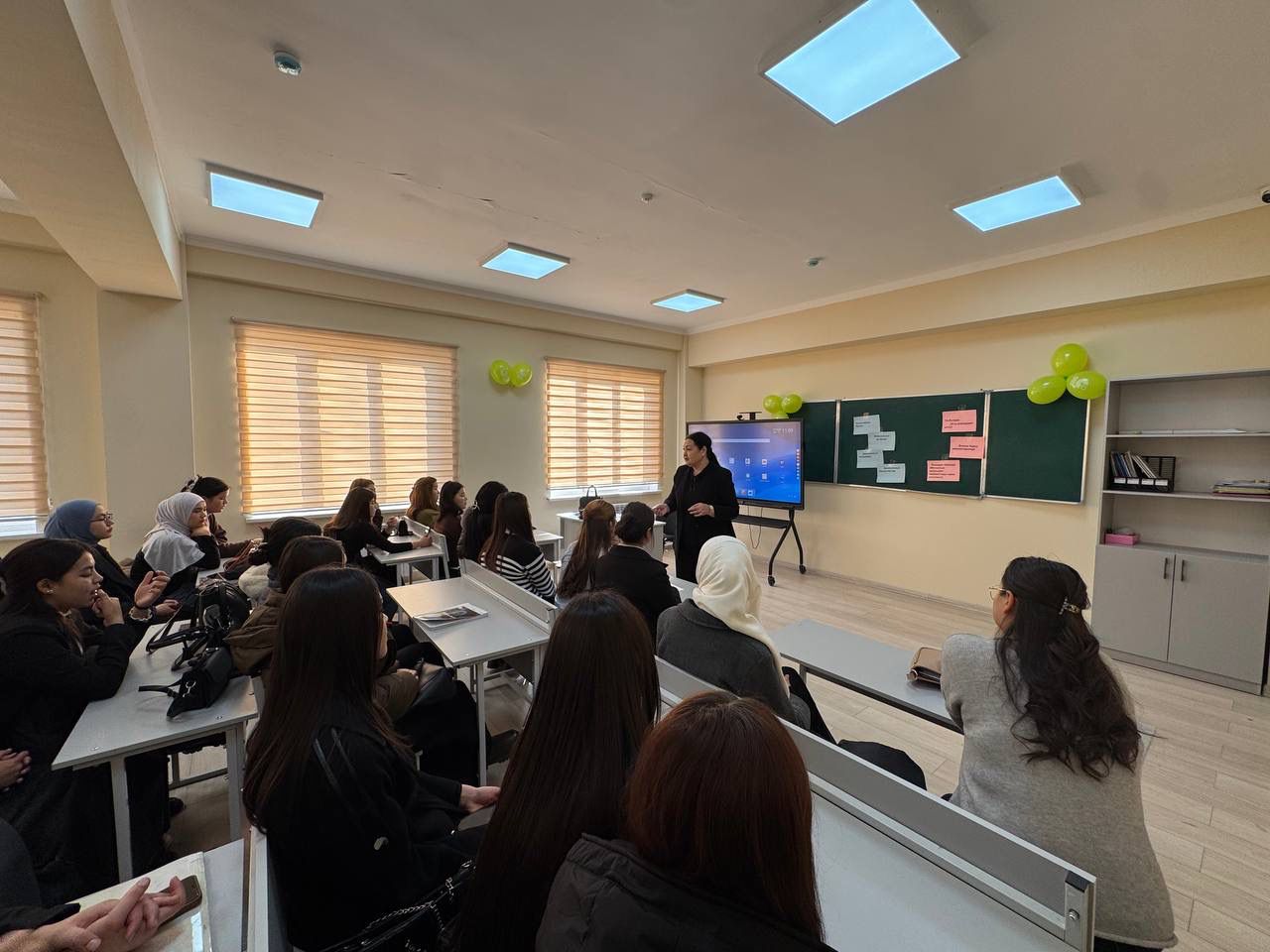
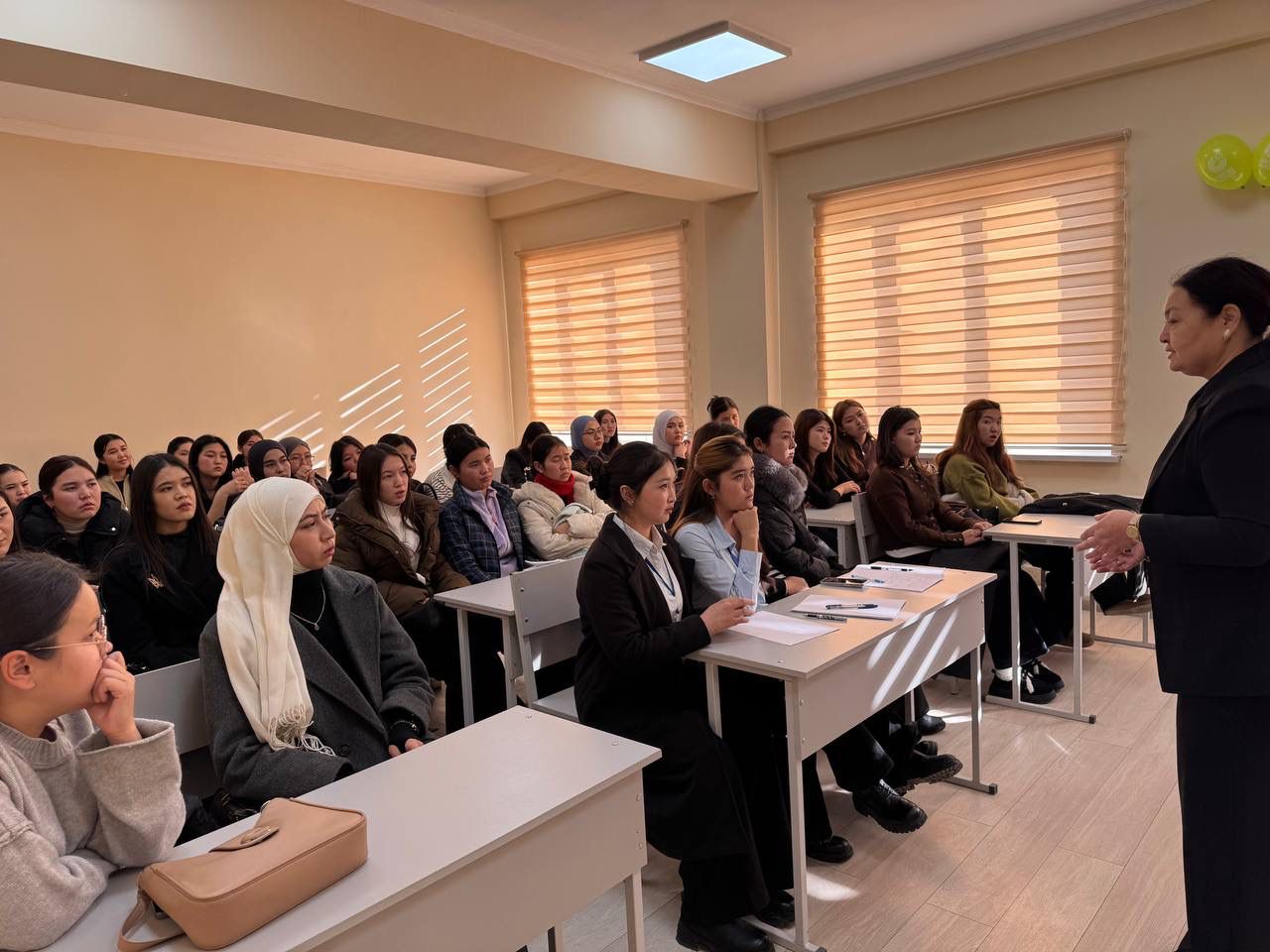
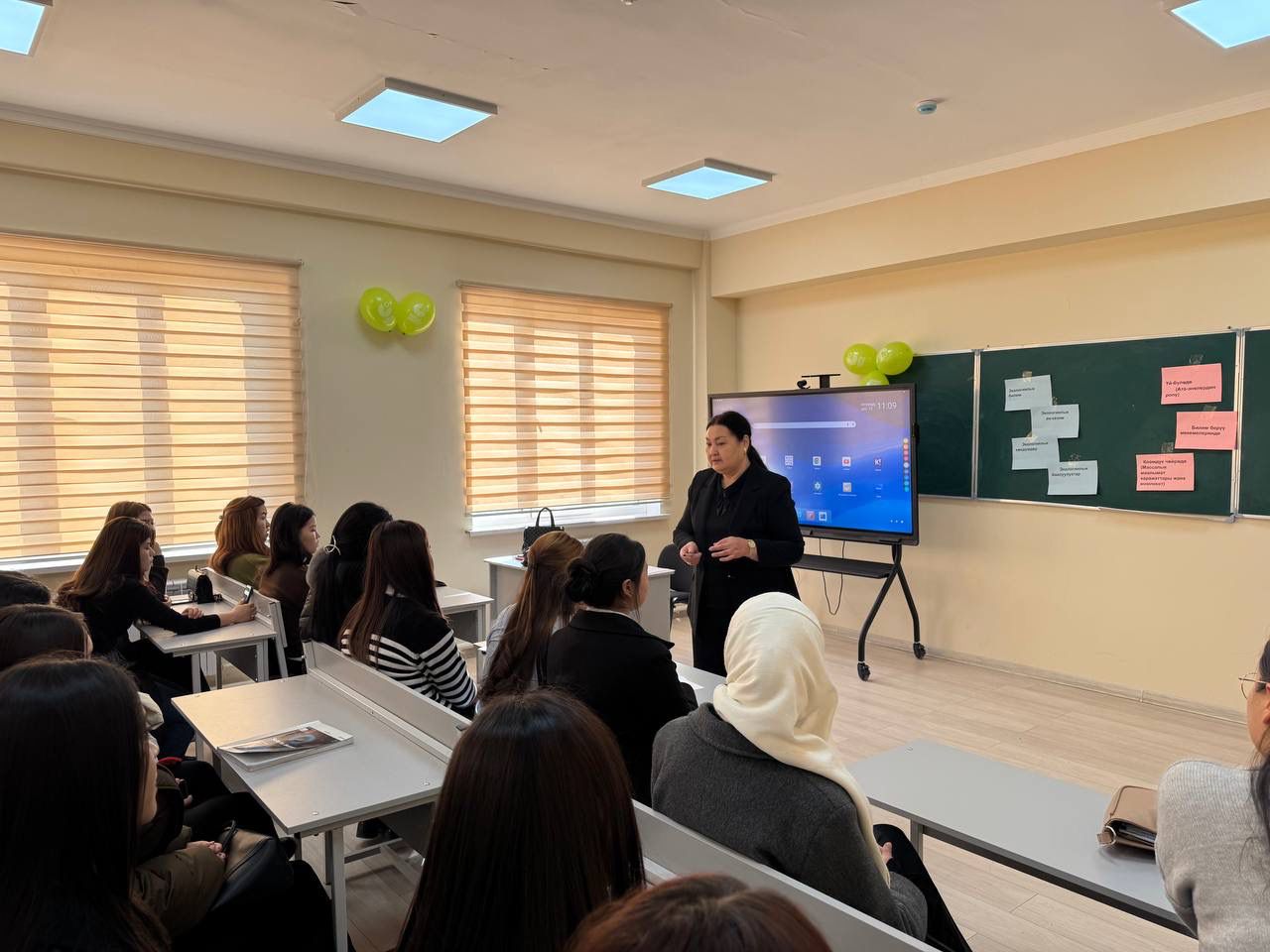
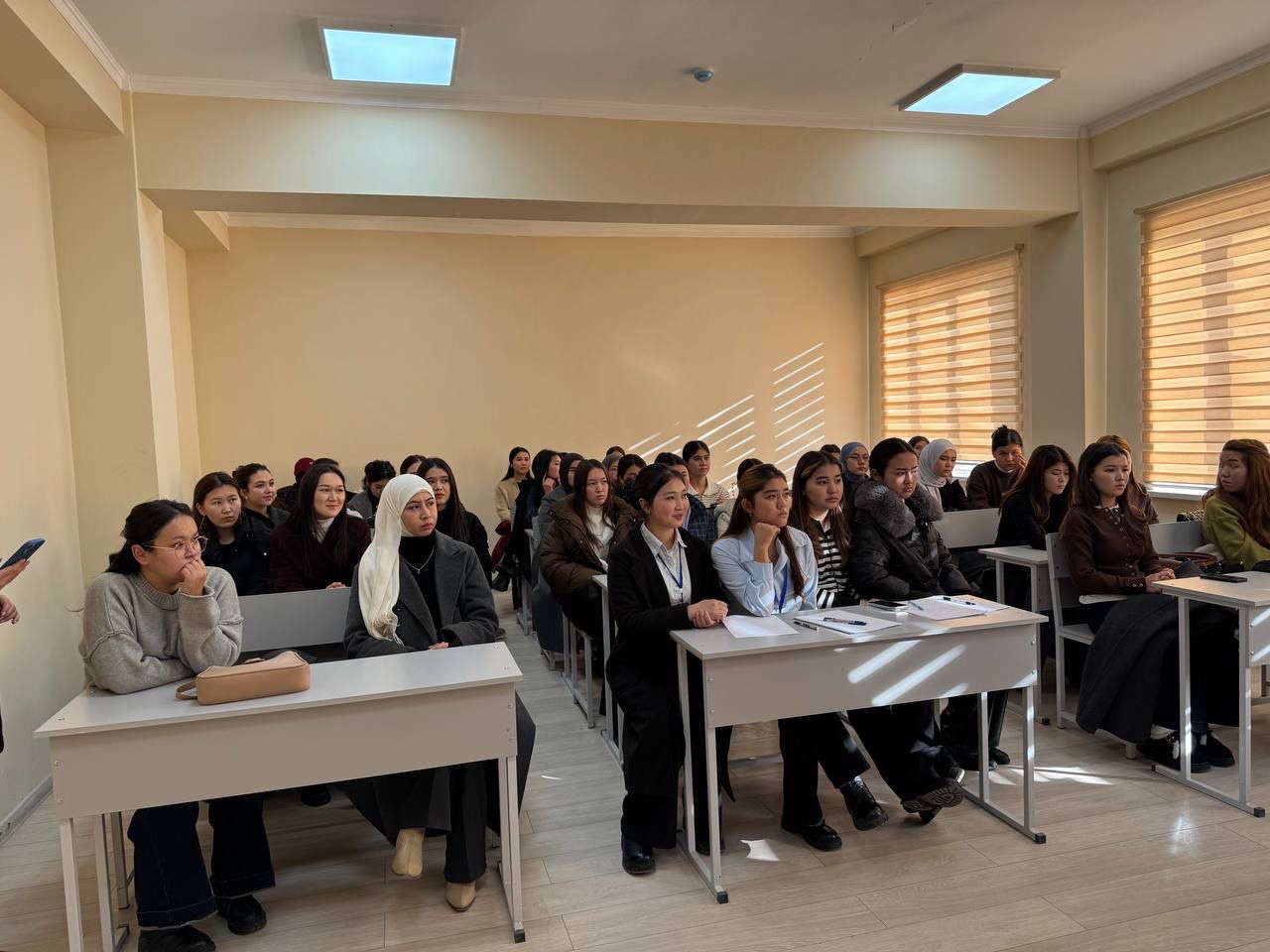
On December 12, 2025, Aliyeva Atyrkul Shaikovna delivered a guest lecture entitled “Developing Children’s Environmental Culture” to the students of groups NT-1-24 and NT-1-25. During the lecture, it was emphasized that the formation of children’s environmental culture is a particularly relevant issue today. In the context of climate change, environmental pollution, and the depletion of natural resources, it is essential to educate a generation that treats nature with care and responsibility.
Environmental culture is defined as a conscious and responsible attitude toward nature, encompassing environmental knowledge, practical skills, and values. It plays a significant role in the personal development of children. The lecture aimed to explain the essence of children’s environmental culture, highlight the importance of a careful and responsible attitude toward nature, and provide an understanding of the main directions of environmental education in the context of Kyrgyzstan.
Under the conditions of Kyrgyzstan, environmental education should be based on national traditions as well as modern environmental knowledge. The Kyrgyz people’s respect for nature and such concepts as “Mother Nature” and “Land and Water” serve as important educational resources in shaping children’s environmental awareness. Children’s environmental culture is formed through the joint efforts of the family, educational institutions, and the wider community. The inclusion of practical activities and active participation in environmental education ensures sustainable results.
In conclusion, the students realized that developing children’s environmental culture is an important investment in the sustainable development of future generations. They concluded that special attention should be paid to environmental education in their future professional activities and understood that effective environmental education can only be achieved through the combined efforts of families, educational institutions, and society as a whole.