Distinguished Chinese Scientist Maozhi Ren Awarded the Title of Honorary Professor of JASU
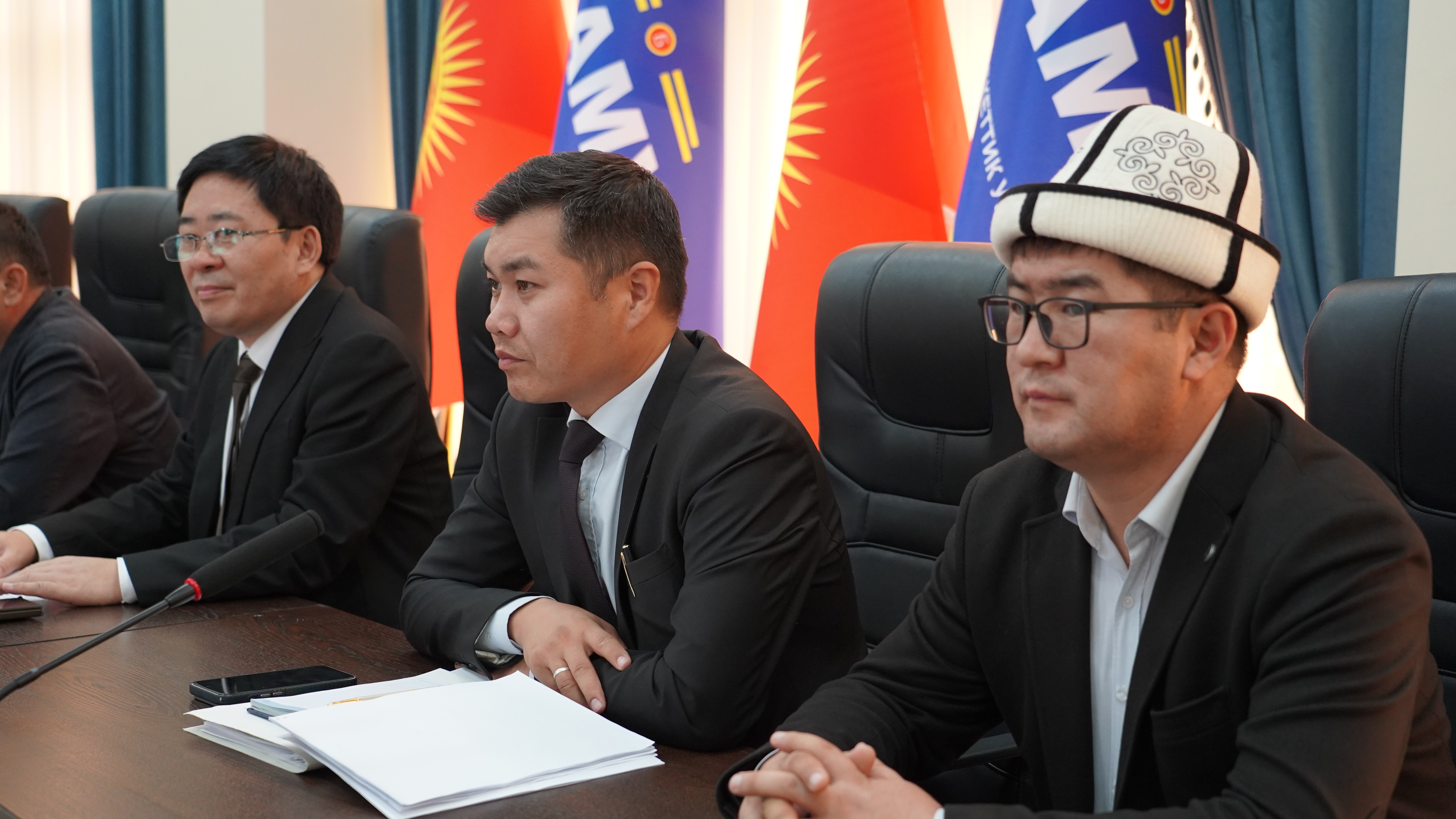
On October 6, 2026, Professor Maozhi Ren, a researcher at the Institute of Urban Agriculture of the Chinese Academy of Agricultural Sciences and Director of the Xinjiang Key Laboratory of Bio-intelligent Manufacturing for Functional Agriculture, paid a working visit to Jalal-Abad State University named after B. Osmonov.
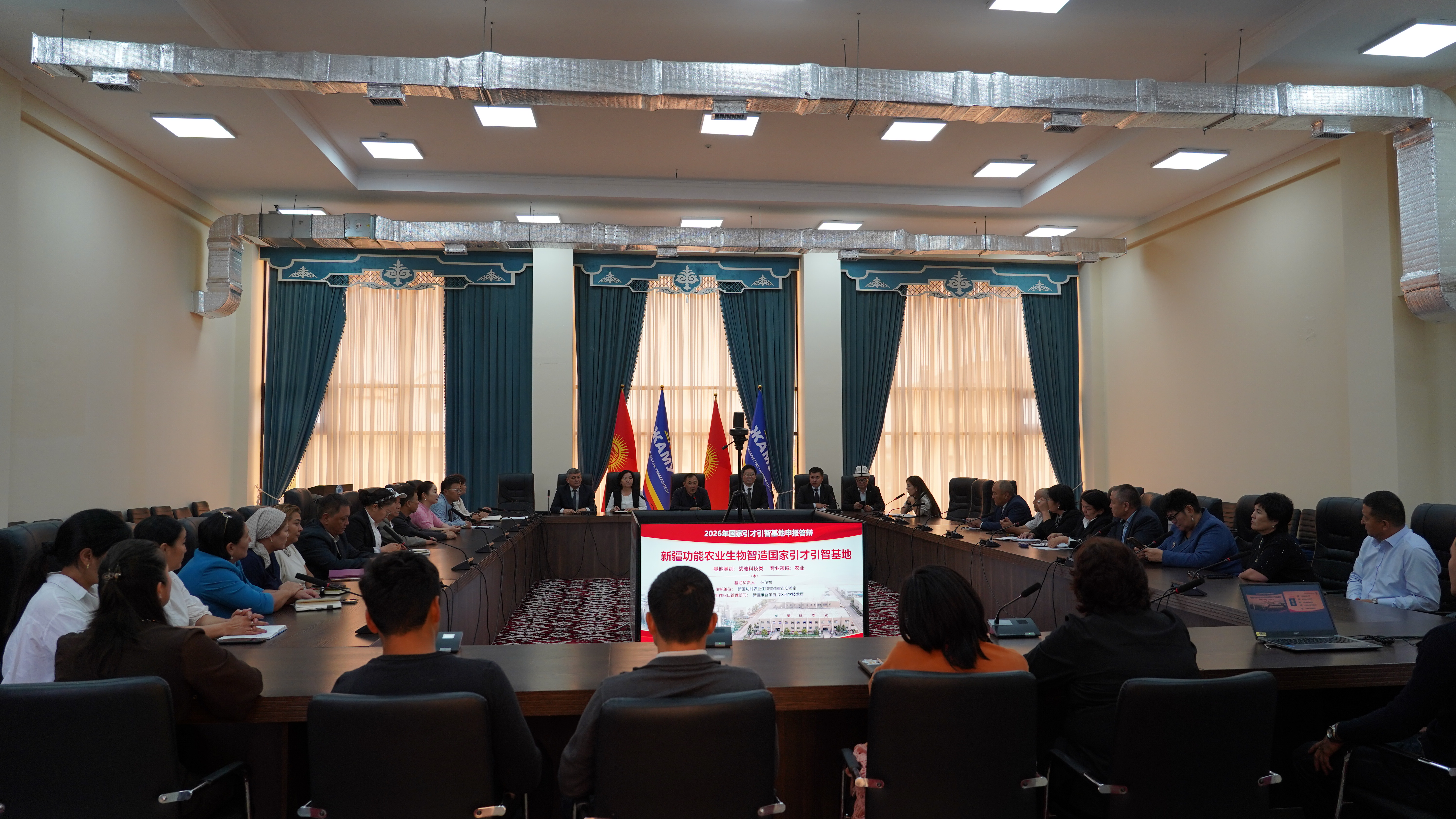
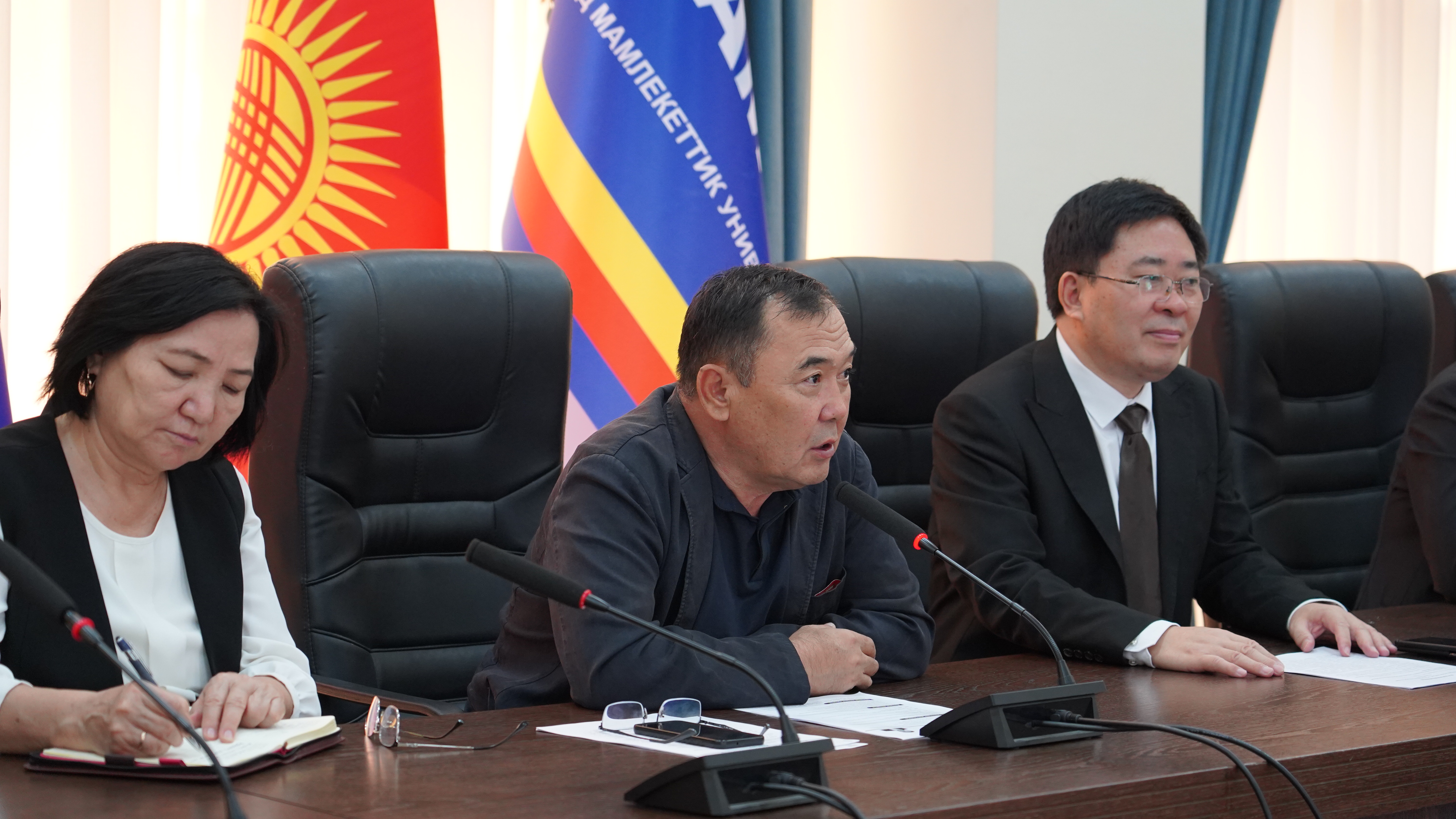
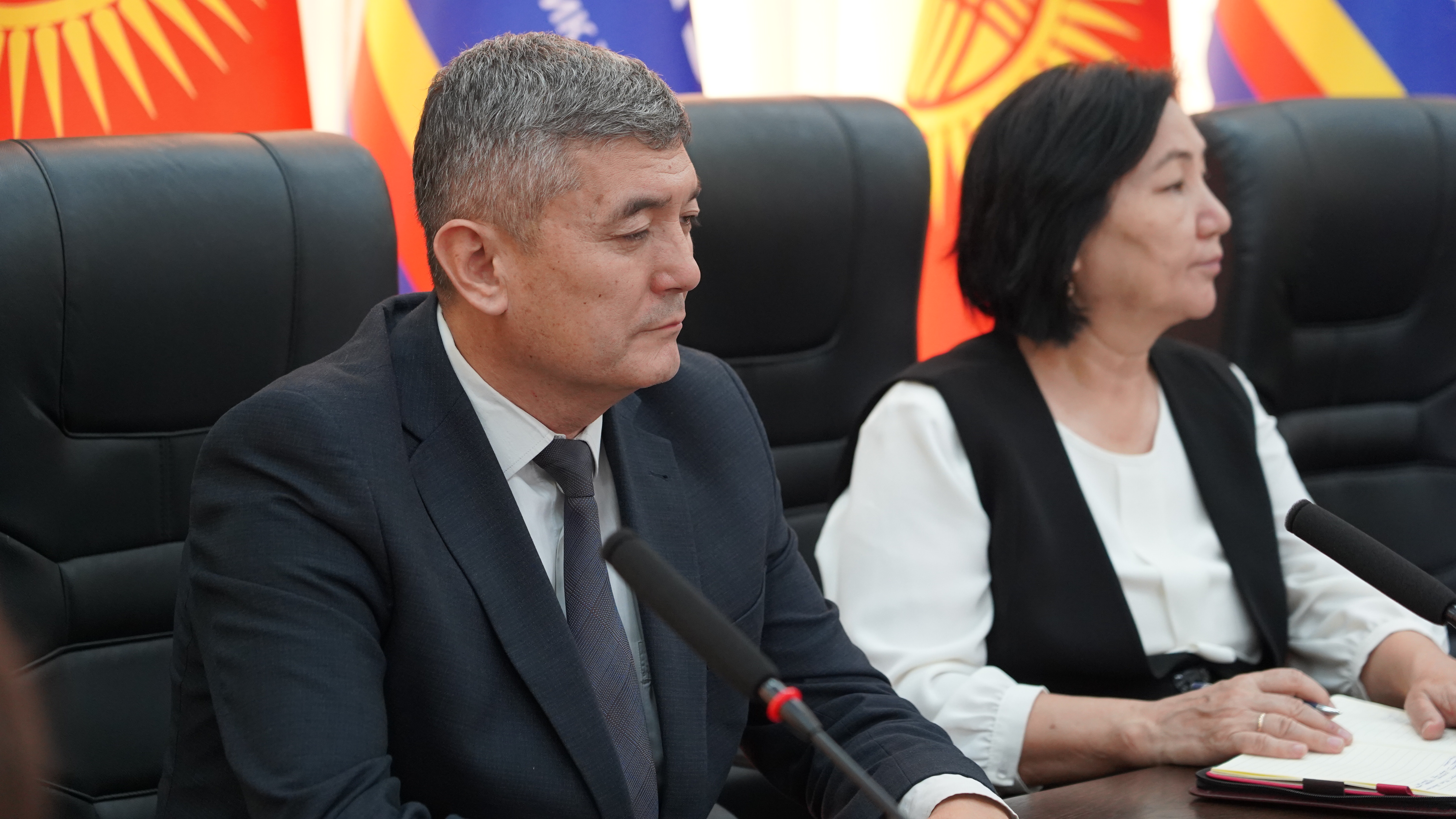
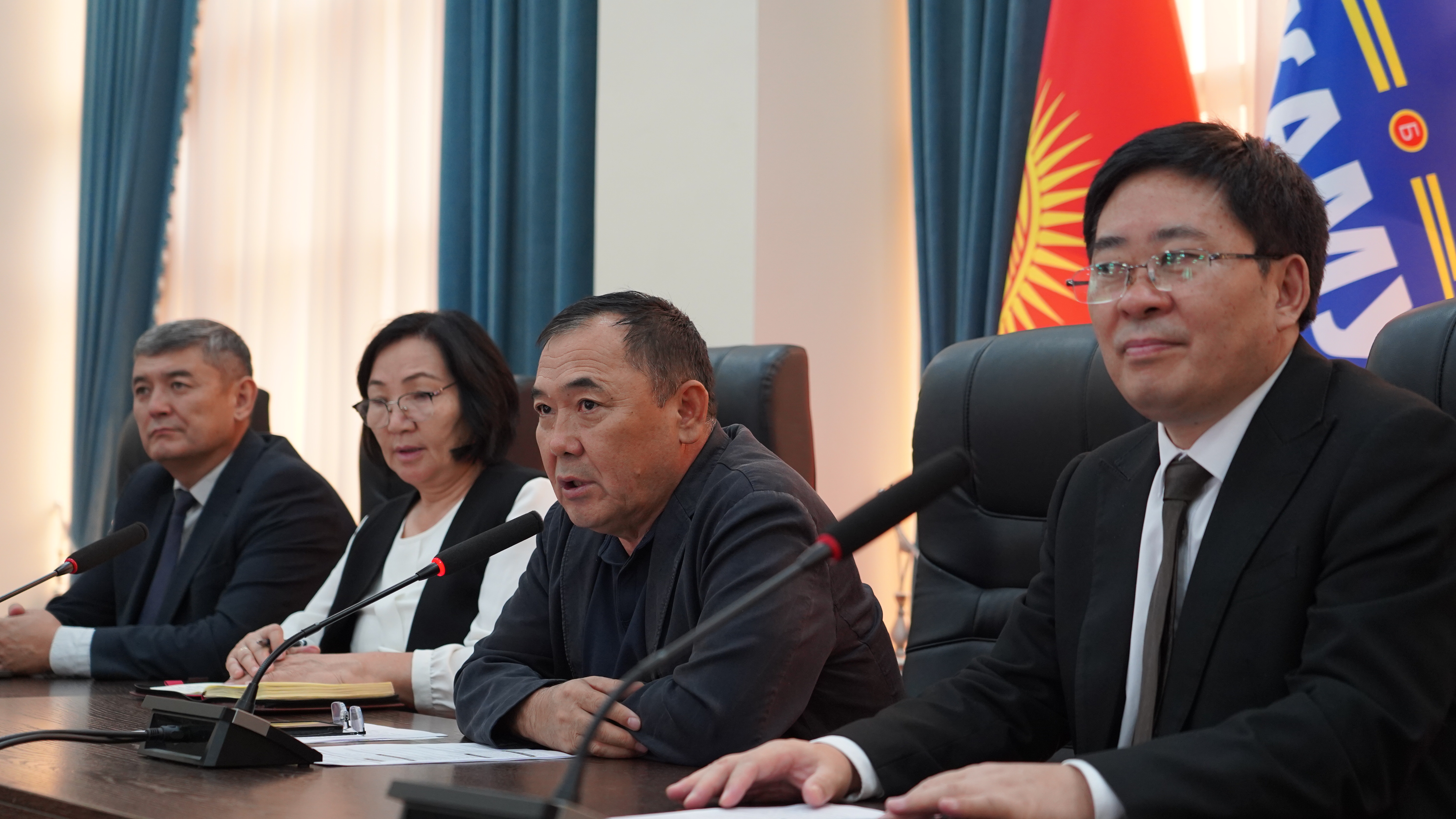
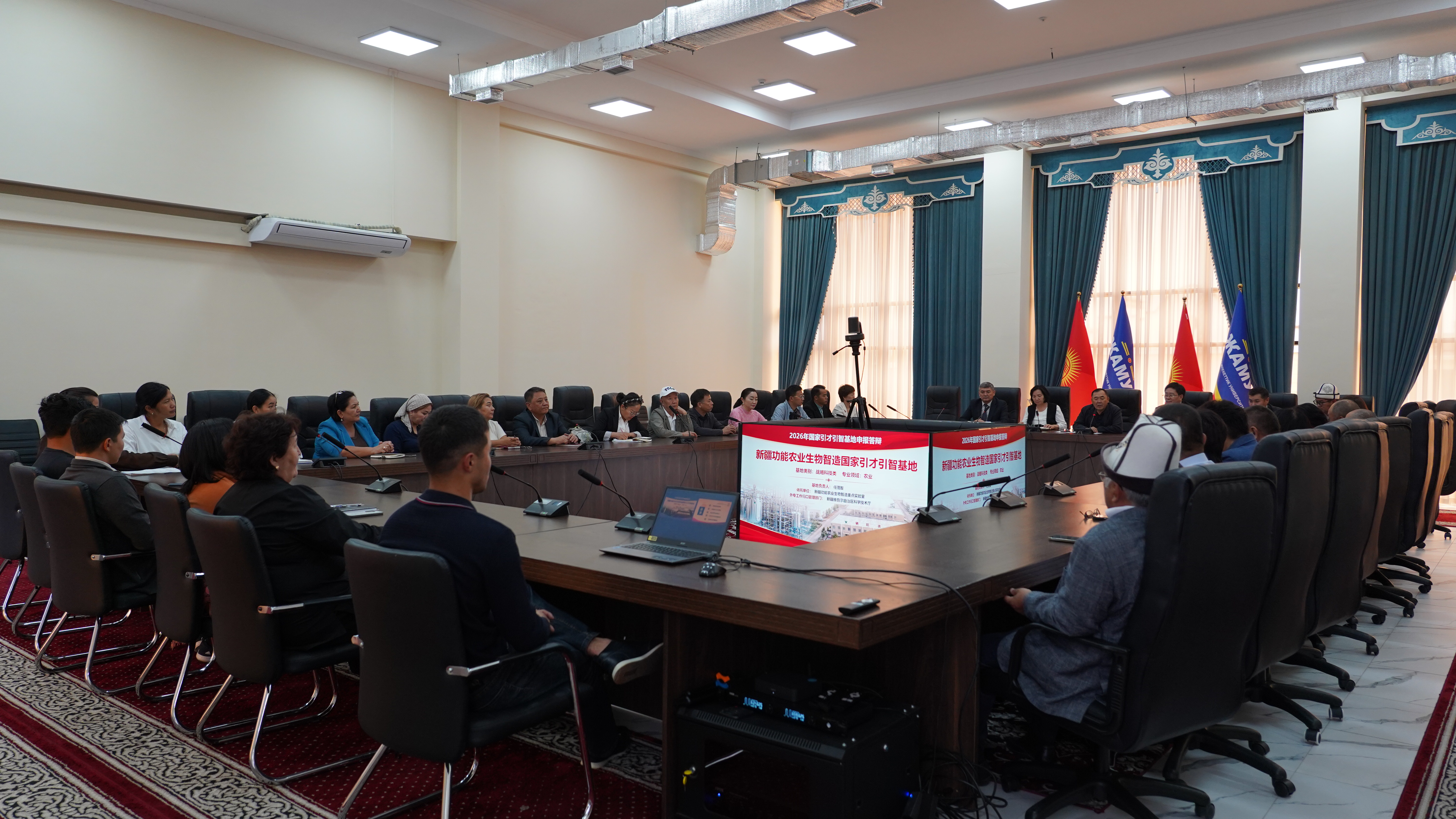
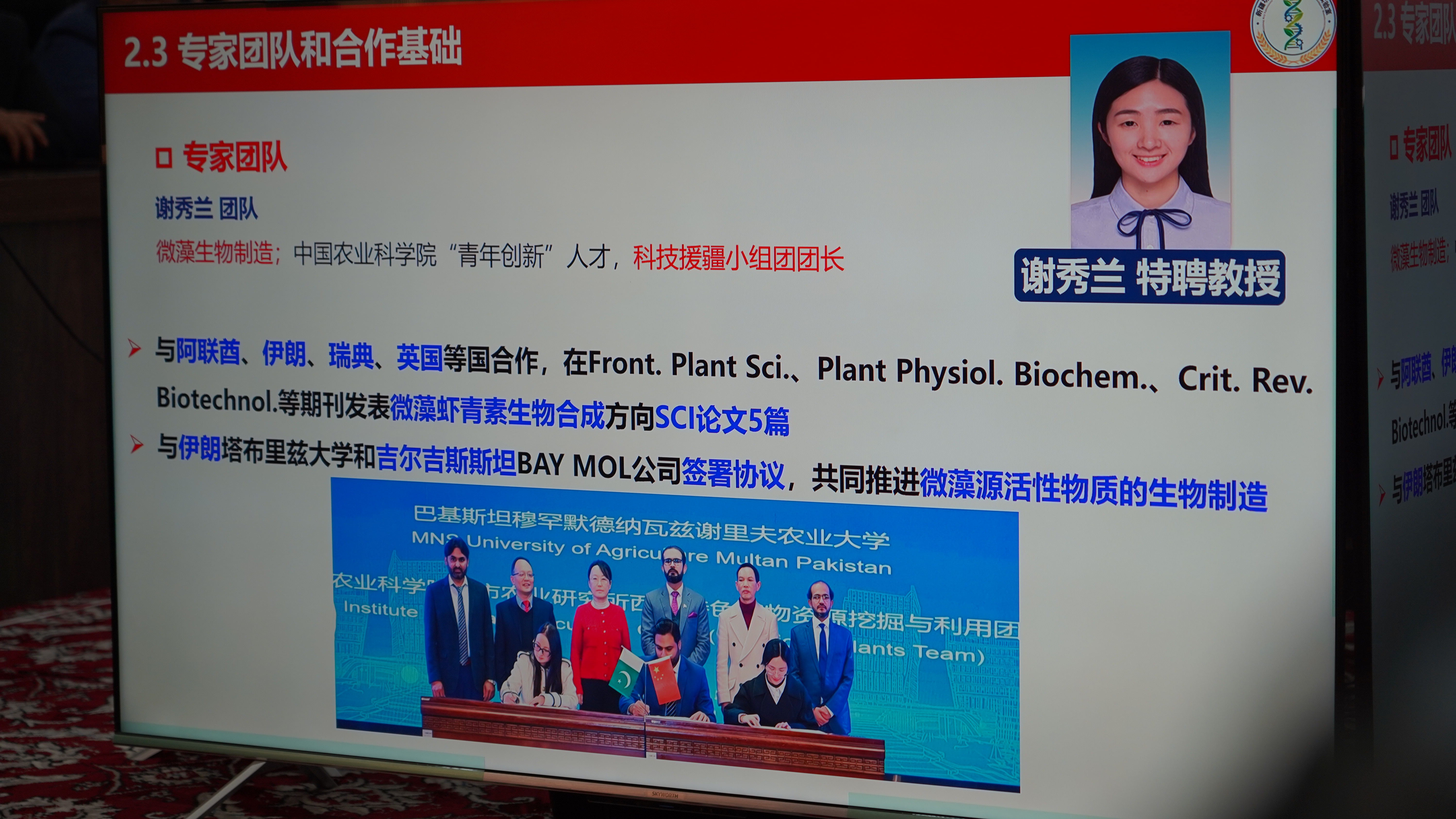
Rector Keneshbek Zhumabekovich Usenov warmly welcomed the guest. During the visit, Professor Ren delivered a lecture to faculty and students on current research in functional agriculture, edible microalgae, and selenium biofortification of plants. The lecture was received with keen interest.
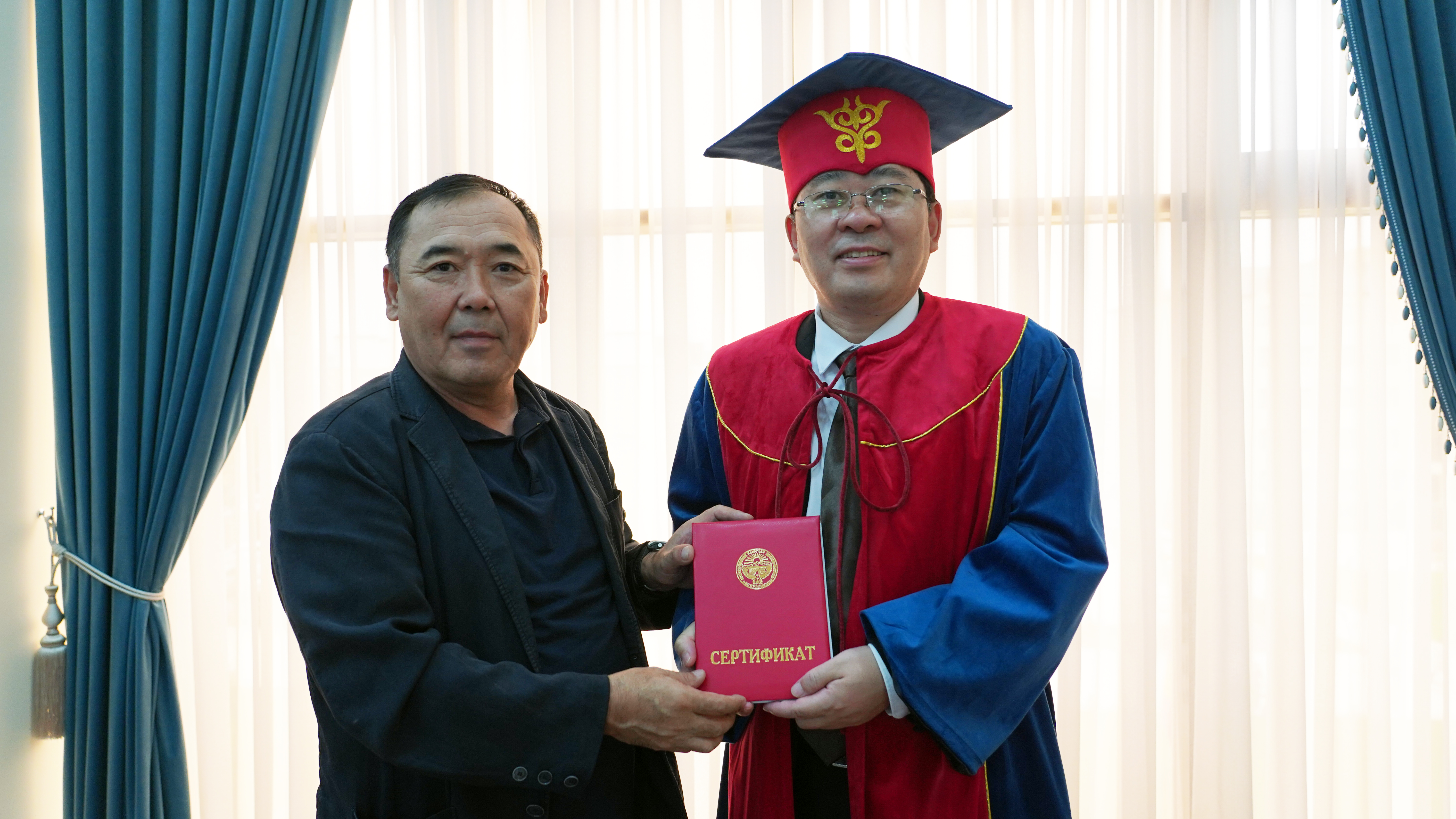
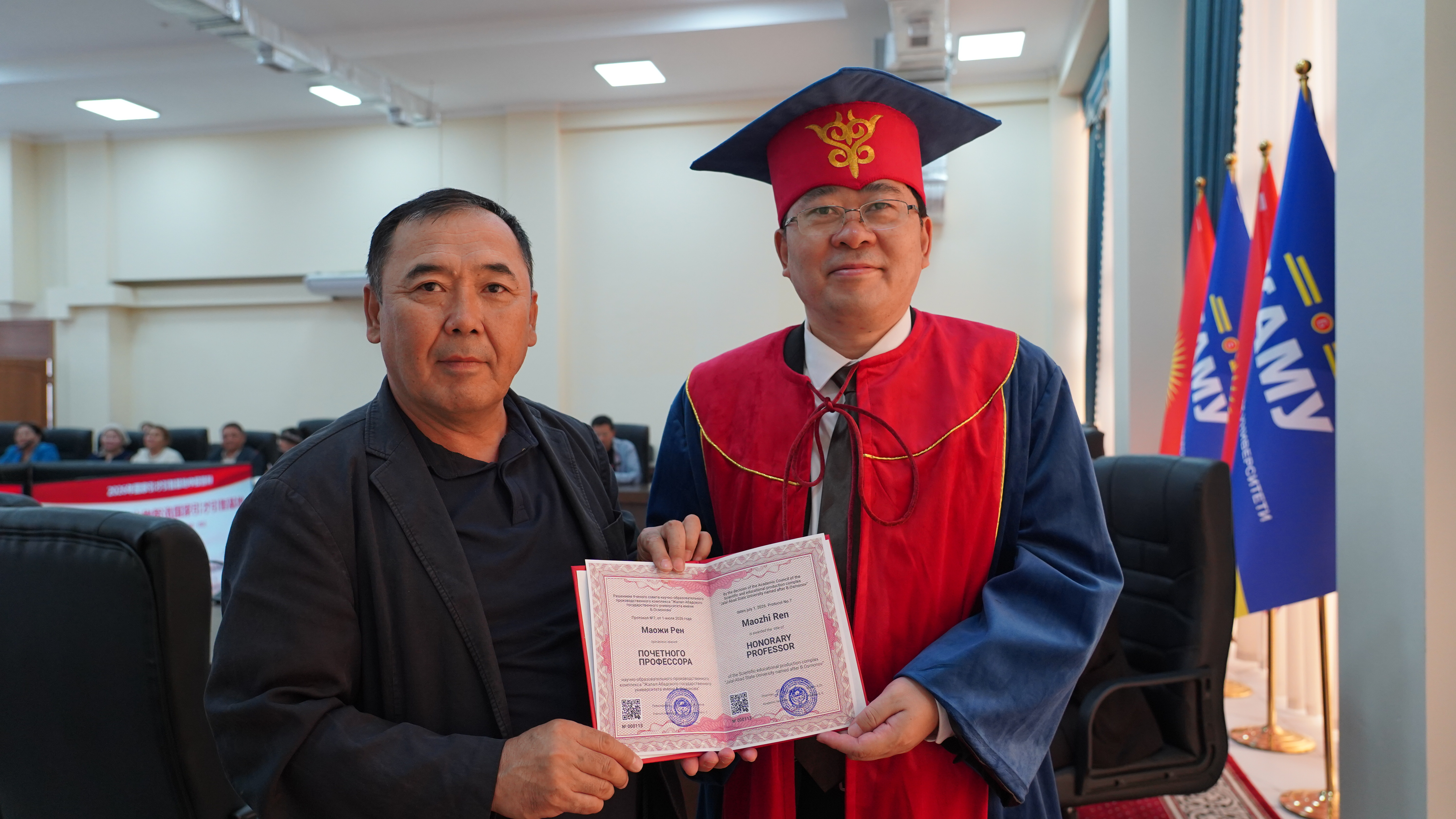
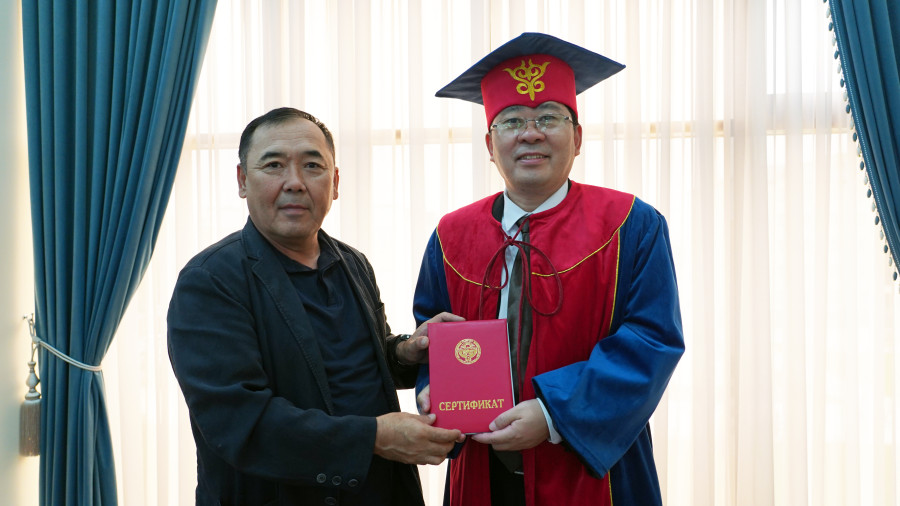
During the event, Rector K.Zh. Usenov announced that, by decision of the University Academic Council (Protocol No. 7 of July 1, 2026), Maozhi Ren had been awarded the title of Honorary Professor, and formally presented him with the certificate (No. 000113). The Rector noted that the title recognizes the scientist's contribution to science and to the development of educational and scientific cooperation between Kyrgyzstan and China.
Professor Ren holds a Ph.D. in Biochemistry and Molecular Biology and has authored more than 150 scientific publications in leading international journals, including Nature Communications, Nature Plants, and Trends in Plant Science. His h-index in Scopus is 39. His research covers space agriculture, selenium biology, and environmentally friendly crop protection, and he holds six invention patents.
Professor Ren is also an active partner of JASU. At the June 28 meeting in Xinjiang, where it was decided to establish joint functional agriculture laboratories in the city of Manas and the Kyzylsu region, he presented a report.
The title of Honorary Professor is not only a recognition of the scientist's achievements but also a symbol of friendship and trust between JASU and China's leading research institutions. It opens new opportunities for joint research, exchange of students and young scientists, and the practical application of modern technologies.